- Details
- Hits: 82
Introduction
I know every scene by heart, they all went by so fast.
—Bob Dylan, “If You See Her, Say Hello”
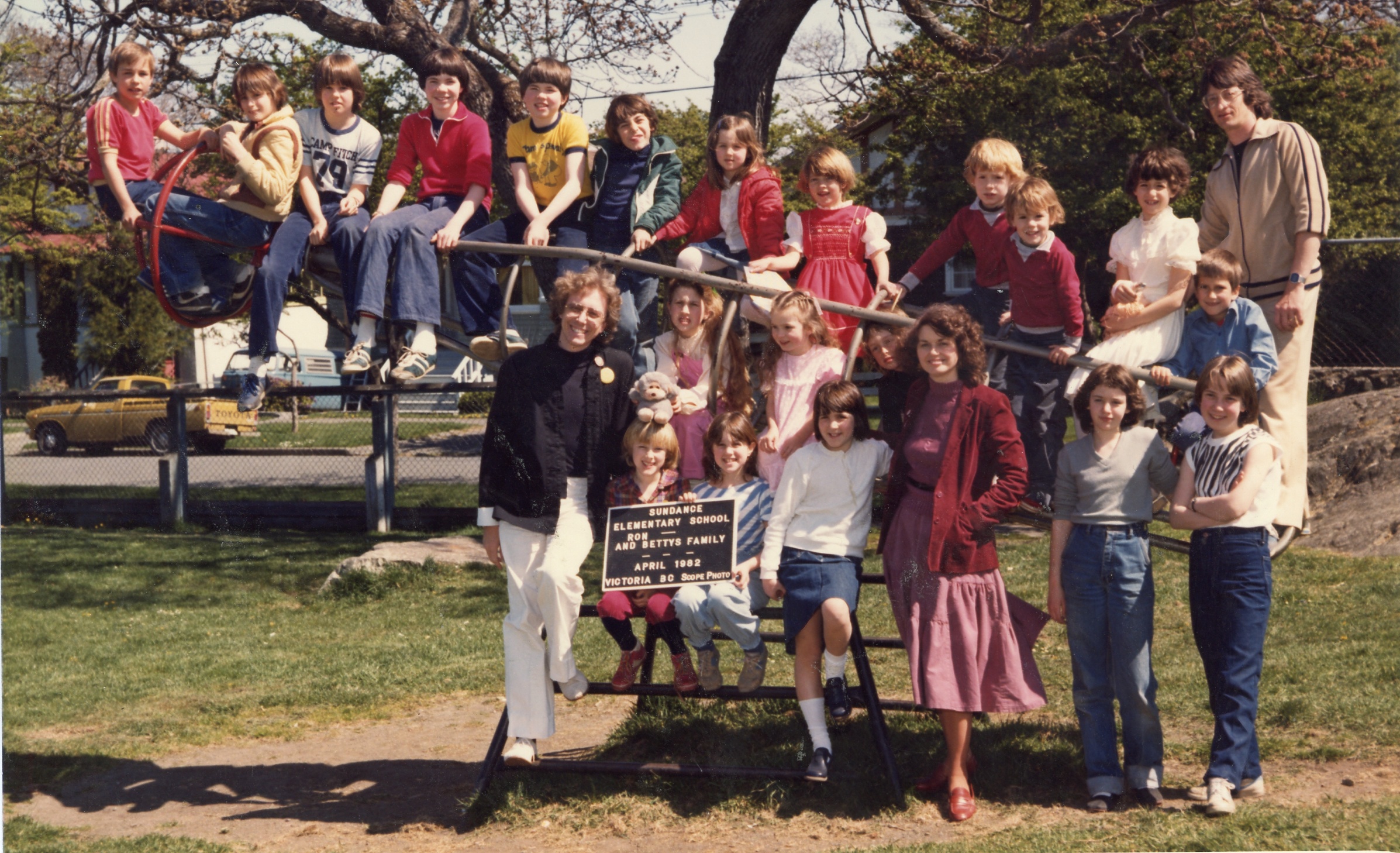
One evening in September 1973, at a small school building on Quadra Street in Victoria, parents were waiting in line. They wanted to ensure that when the doors opened the next morning, they could register their children in Sundance School, the bold alternative experiment supported by the Greater Victoria School Board. Some parents brought chairs, and some brought bedrolls. Sharing their hopes and dreams for their children, as well as snacks and coffee, was the beginning of some beautiful, long-time friendships.
What was going on? Change was in the air. The NDP had won the provincial election in 1972. Young families, drawn to the vision of living in a more liberal province, had moved to BC. These families wanted a very different kind of school, one that guaranteed their children more freedom and a less authoritarian organization. But not everyone wanted more freedom for their children. Some families wanted even more structure. So a more structured experimental school, called Sentinel, also opened that fall.
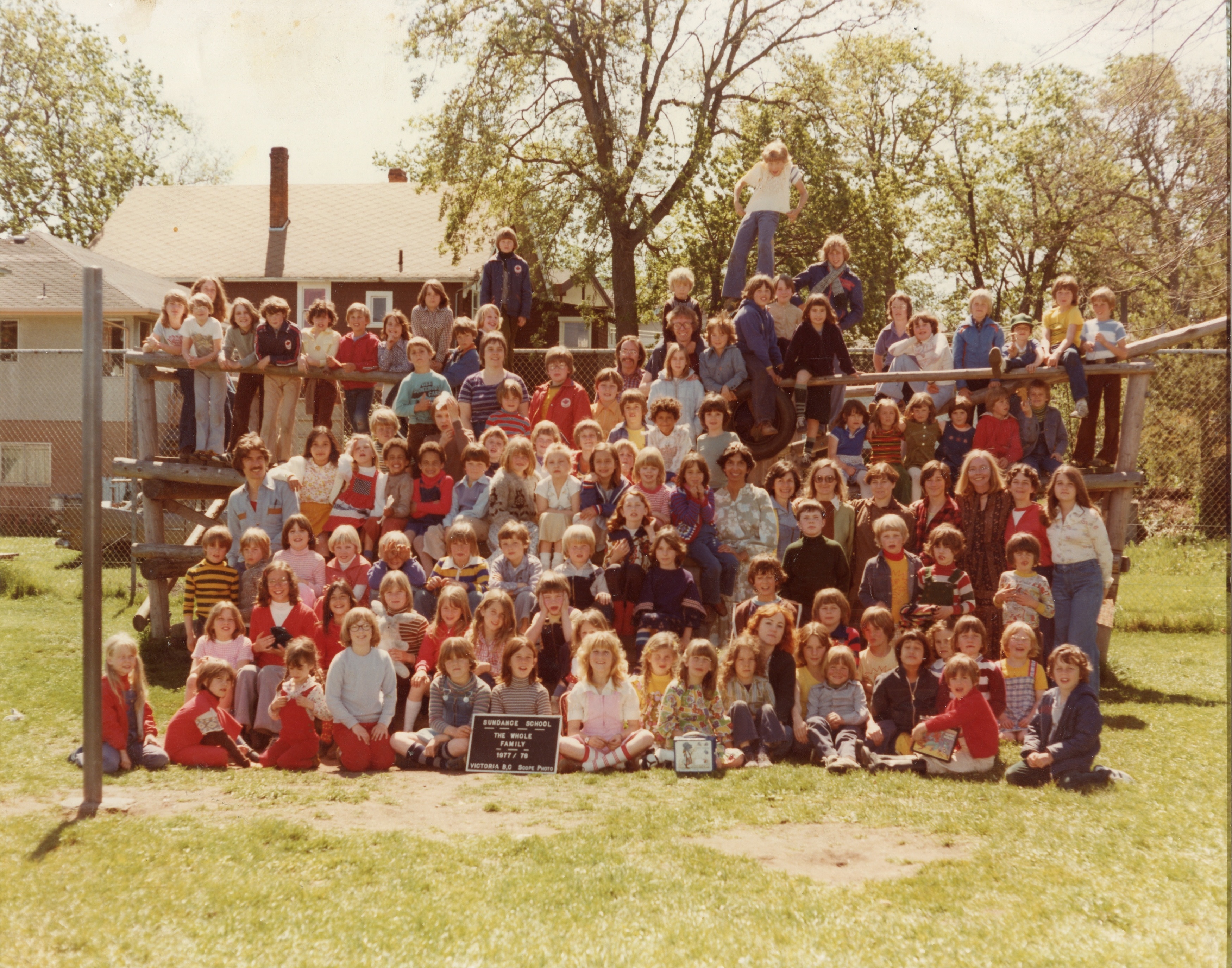
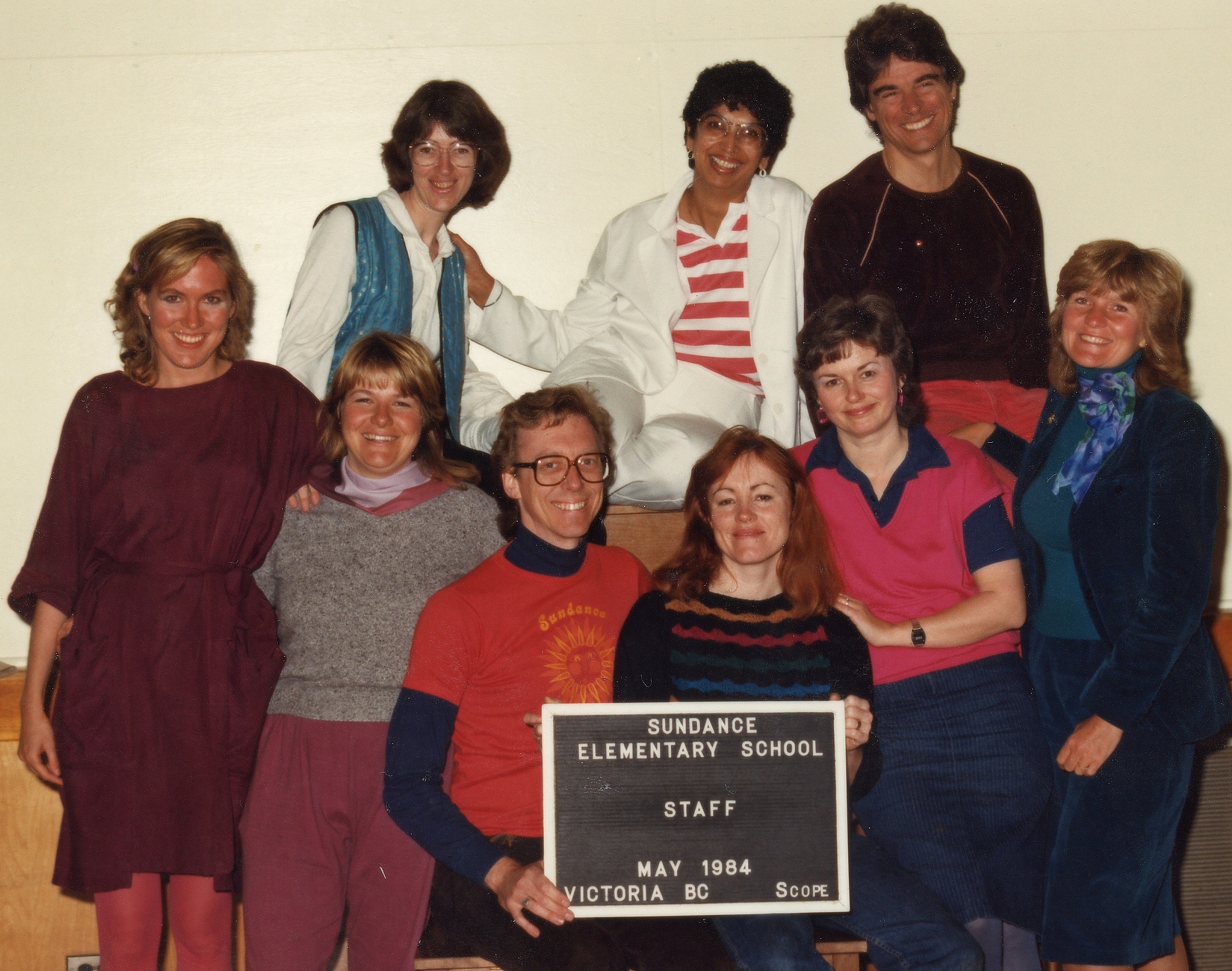
One hundred and nineteen students enrolled in the empty school on the 2500 block of Quadra Street. It was a lovely old building with high ceilings and sash windows, four classrooms on the main floor and one classroom downstairs, a tiny office at one end and a tiny staff room at the other. That little brown school was Sundance’s home for four years.
In September of 1977, Sundance moved into another, more modern empty school building on Bank Street with four classrooms and a portable, a small room for Learning Assistance, a much larger office and staff area, a gym with a stage, and a bigger playground. It was also on a quieter street.
The school remained in that location and maintained the name Sundance, though the program had changed completely from what it had been. At present, it is called Sundance-Bank Elementary.
Knowing that I had been a parent and a teacher at Sundance for many years, curious teachers have asked me, “What was Sundance’s pedagogy?” My flip answer has always been that we “made it up as we went along, that we were flying by the seat of our pants.” In truth, we all had a “gut feeling” that there had to be a more child-centred way to educate children, though that isn’t the whole story. All of us who chose to teach there were professional educators, had read a lot about alternative education, and had experience teaching in various educational systems. We also felt strongly that the systems we had worked in were bad for many kids, and we knew that things had to change so that kids could relax and enjoy their childhood without pressure while learning at their own pace. We were willing to put in the work to bring about that change.
So, I’m writing this book to help current parents and educators understand what we were reacting to, what we were striving to provide for our students, and how we went about it, as well as with the hope that anyone who wants to start a new school, one with similar humanitarian ideals, will be able to understand how we got there. Anyone who wants to start an alternative school for the present decade, with all its twenty-first-century issues and obstacles, needs to think hard about what they create and how they plan to proceed. I hope that this book about our journey will be useful in that process.
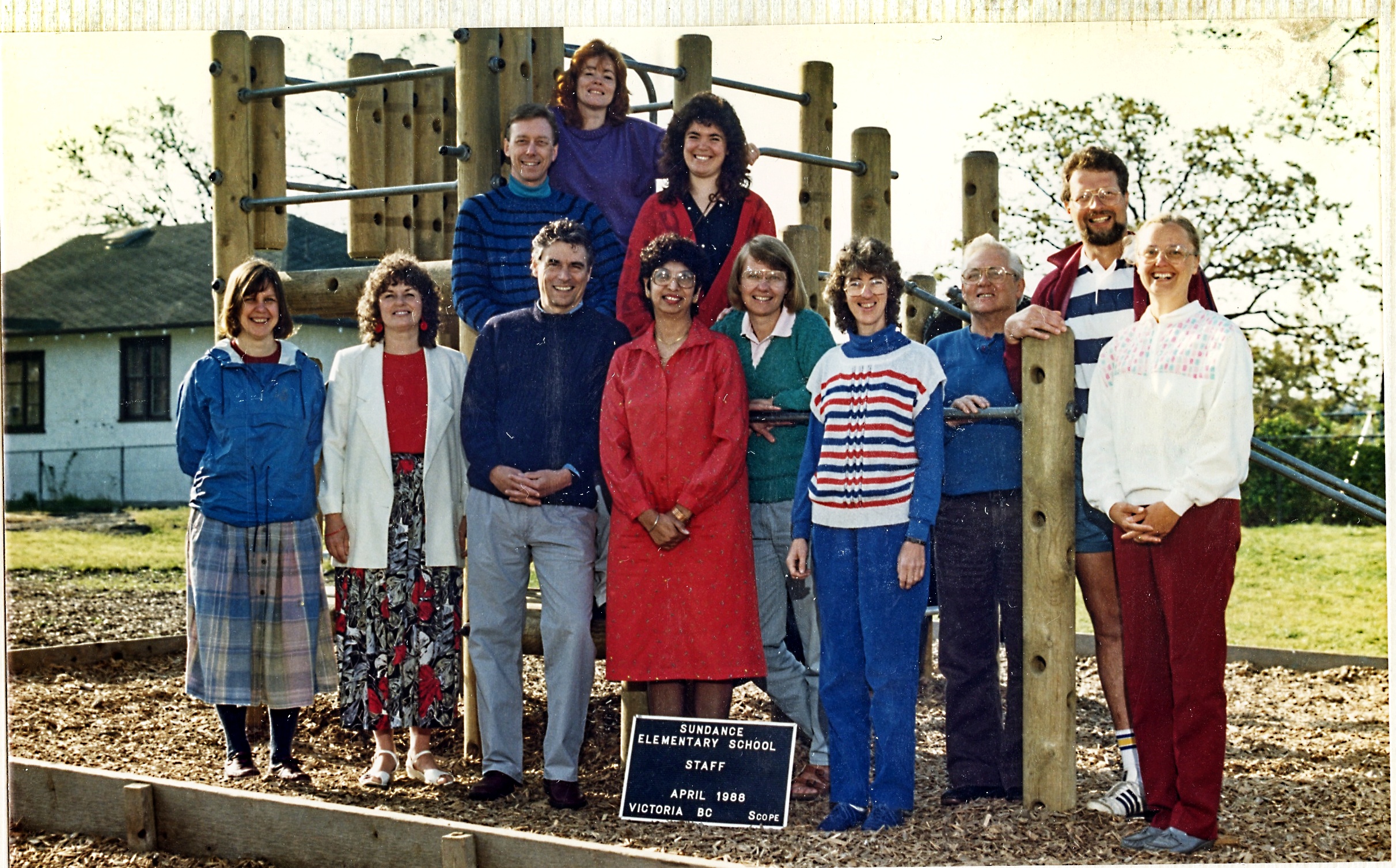
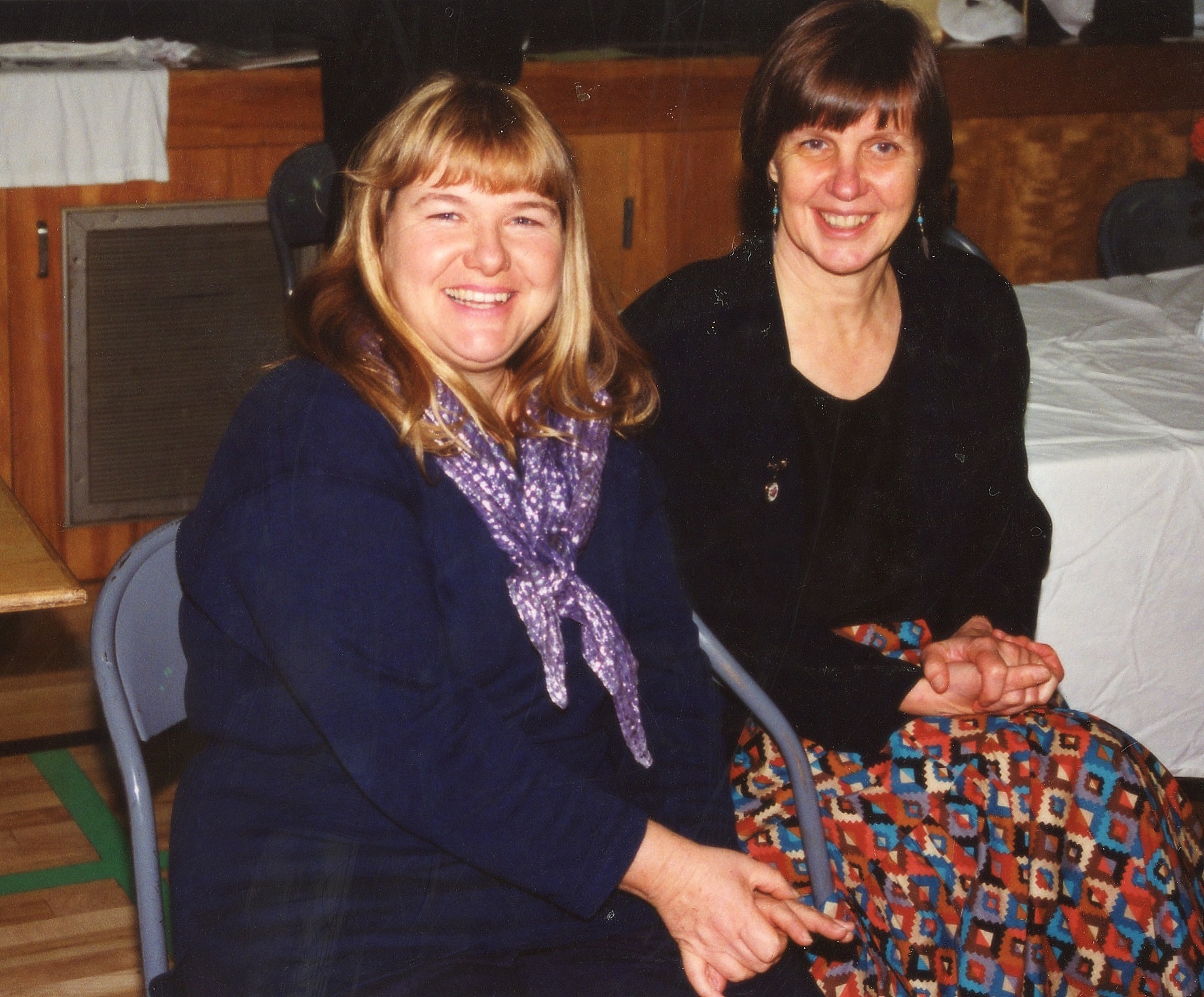
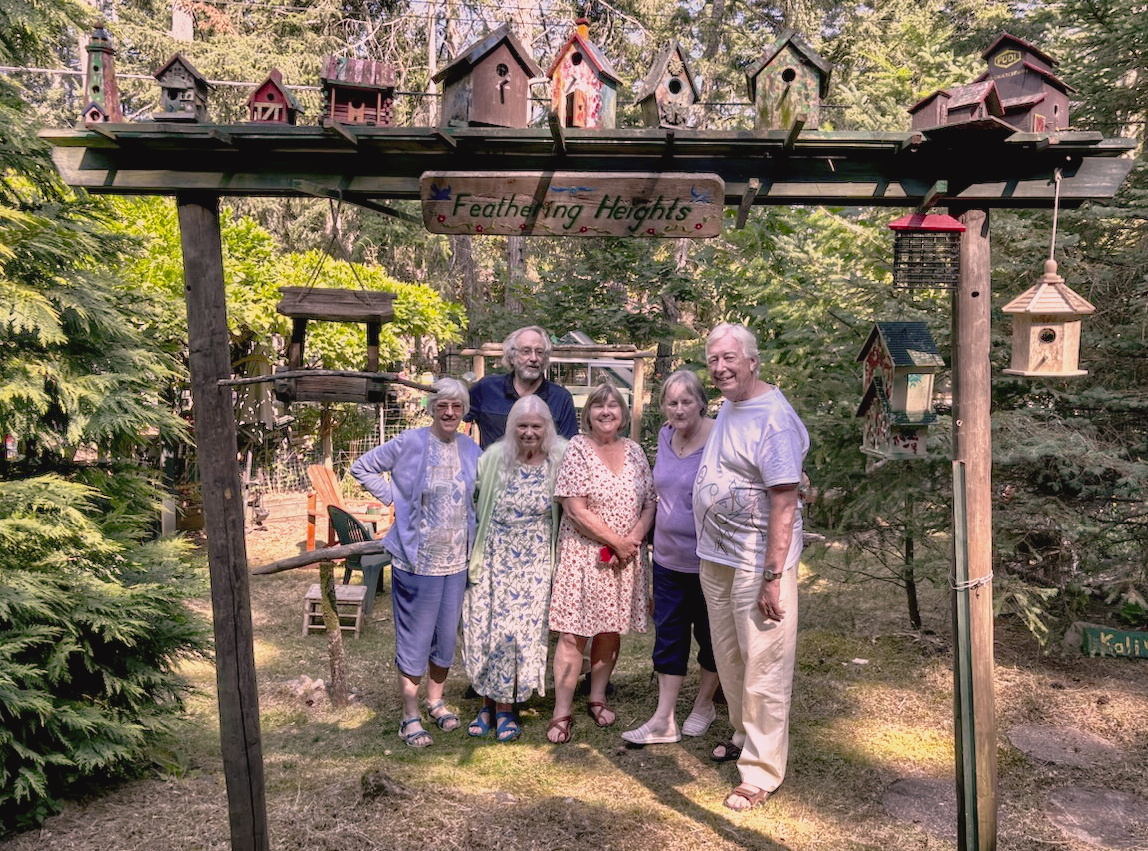
A more personal reason for writing this book is to preserve the memory of this little gem of a school for those of us, the parents, the students, and the staff, who loved it and helped make it what it was. This is written primarily from my point of view, how I saw Sundance in the 1970s and 1980s.
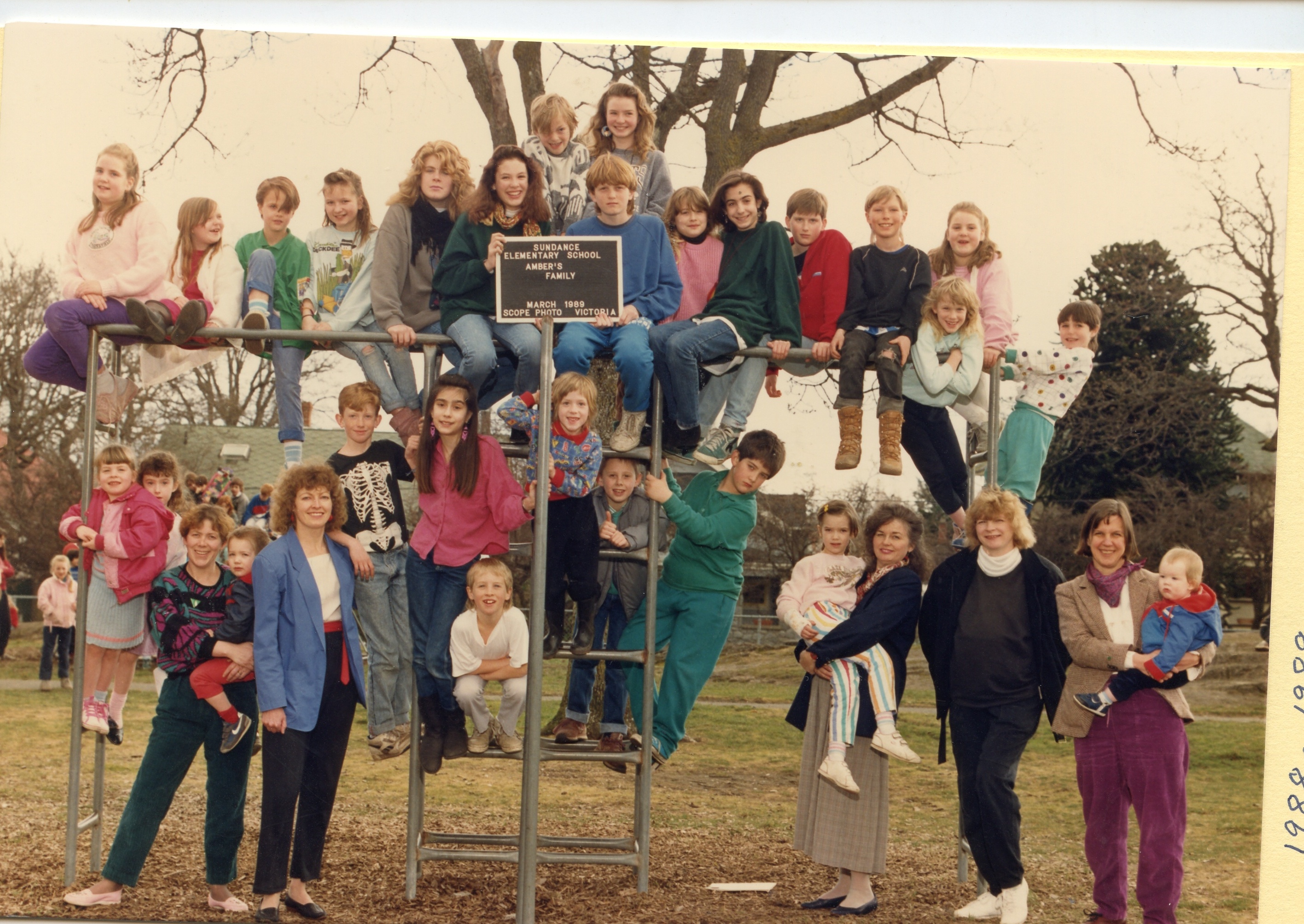
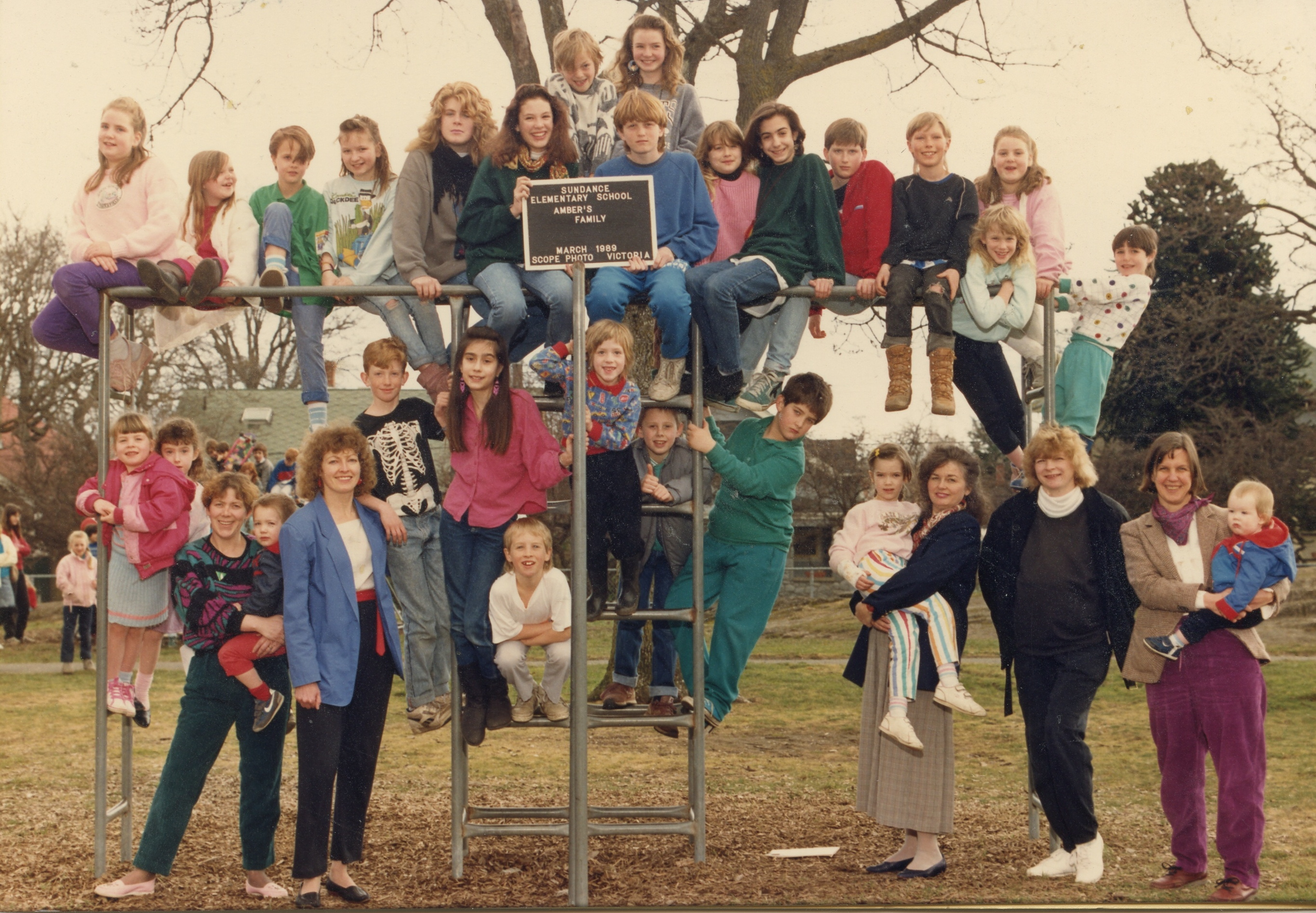
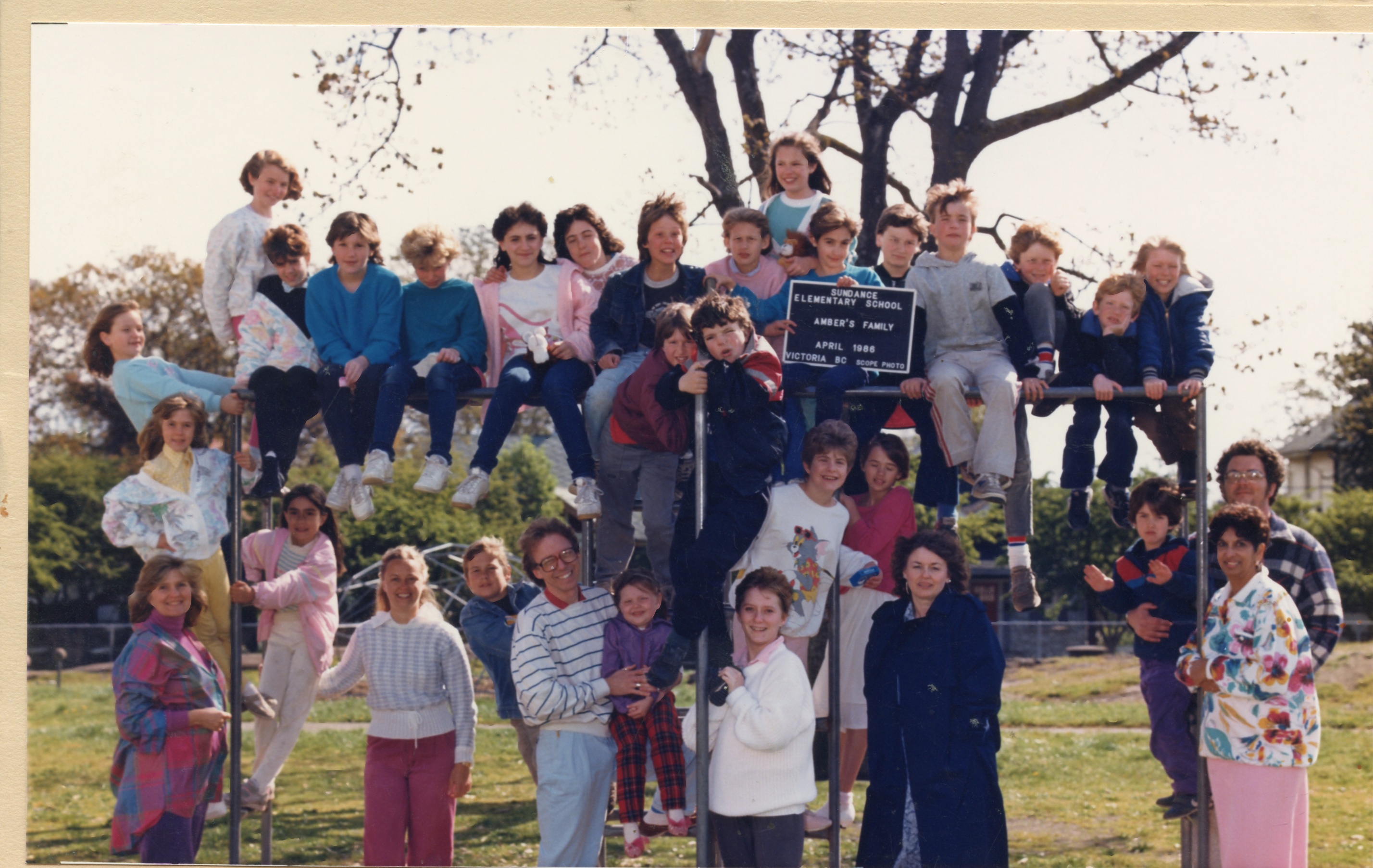
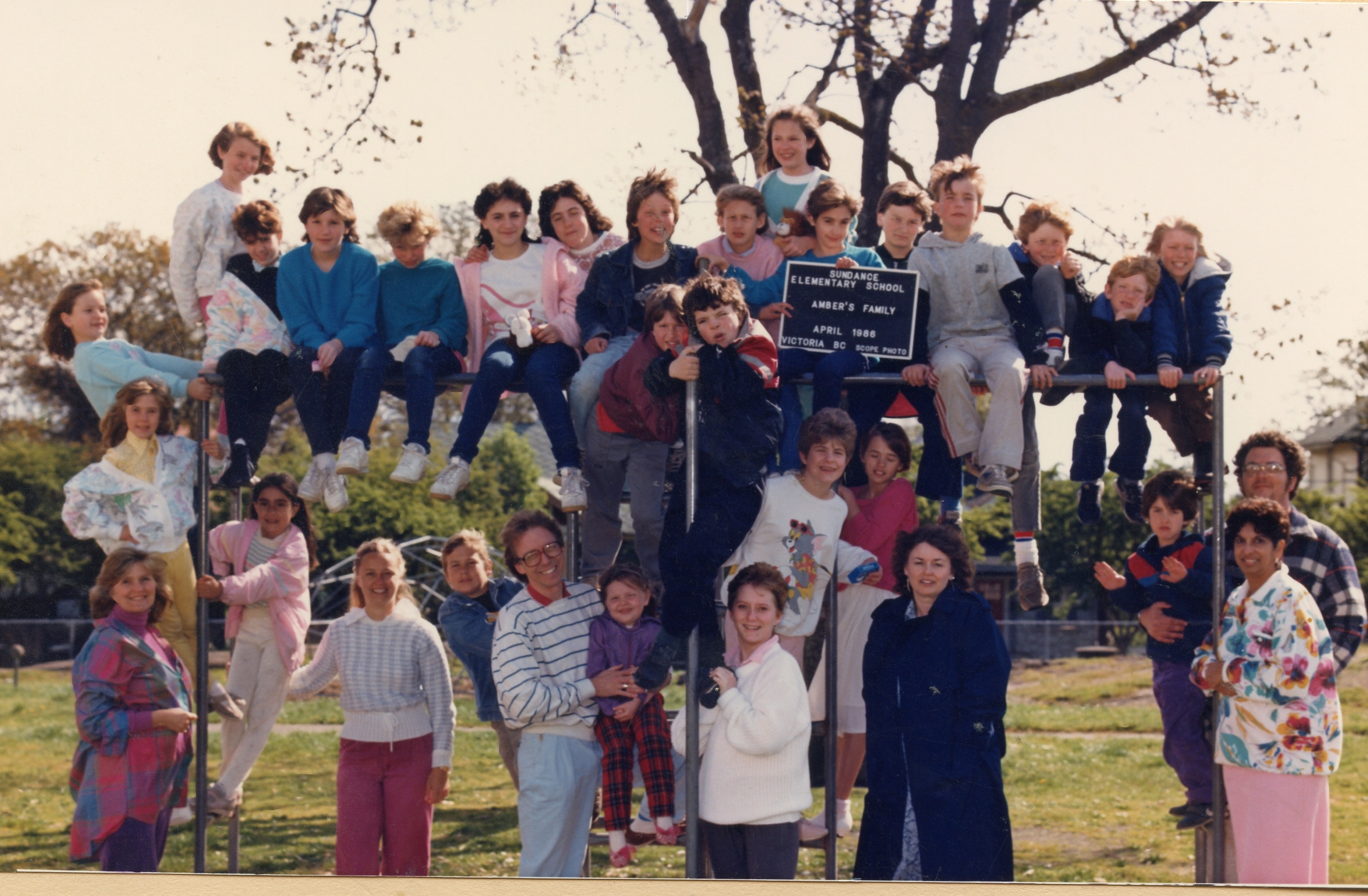
Our family’s involvement spanned fourteen years, from 1976 until 1990. Our son Jason started at the old Sundance School on Quadra Street in 1976 when he was five years old, and then he attended the new location until 1984. Our daughter Lace was a student at the Bank Street location from 1981 to 1989, from ages five to thirteen, and I was a teacher there, part-time from 1981 to 1990. My husband Joel was always an active and supportive member of the parents' group.
In 1990, my last year as a Sundance teacher, I distributed a simple questionnaire to all Sundance parents to find out what they liked about Sundance, feeling strongly that the history of this school, which had now moved in a different direction, shouldn’t be lost. I saved these questionnaires to work on at a later date. And then, in 1993, still determined that all our work to create a wonderful alternative school would not be lost and forgotten, I sent out about fifty more questionnaires to former parents, using my old Sundance School phone lists, asking how the school had met, or not met, their expectations, and requesting that they pass the questionnaire on to others. I received fifteen replies. Some themes stood out, and soon I had definite chapter headings, like Families, Out and Room, and Offerings, chapters that one day would become a book about Sundance.
Fourteen years later, in 2007, I used the internet to canvas former Sundancers for anecdotes, once again requesting that they forward the appeal to their peers. I received over twenty-five responses in the first few months of the year, mostly from former students, ranging in size from one-sentence snippets to longer anecdotes. These responses encouraged me to think I was doing something worthwhile, so I kept on adding to my files. I noticed that some chapters needed more information, so I reached out to some key people and asked them to write about things they had a better understanding of than I did. One of these was the subject of Booklets. I asked Sharon Douglas to write about how she came up with the wonderful idea that was just what our school needed at that time.
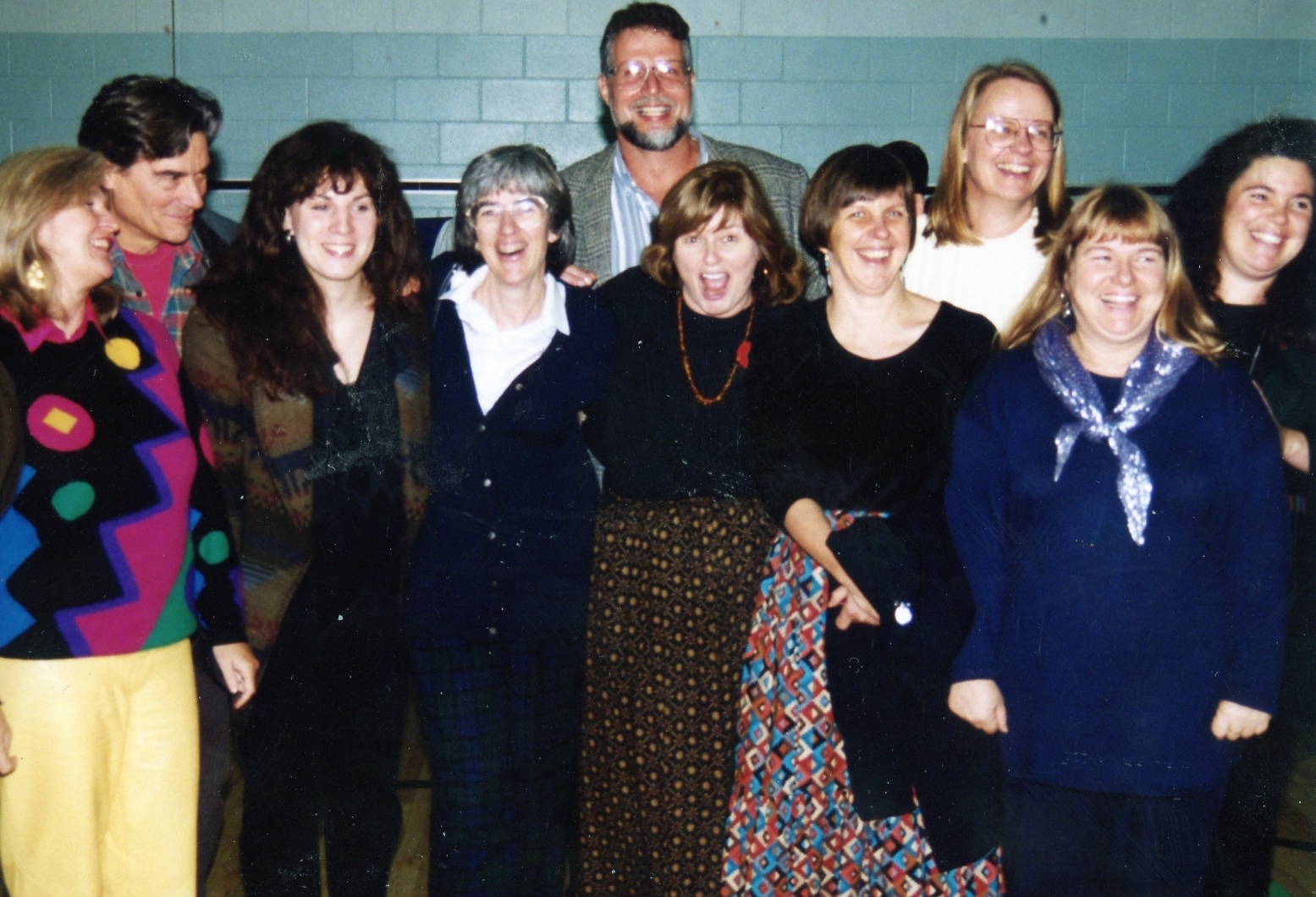
Then I created a blog, “Sundance School in the 70s and 80s,” on WordPress, where I could post the chapters that I had written. A few people commented on them. Then I learned that I could make it available to social media users, and all at once, I received several more responses from former students. My fellow Sundance teachers and good friends Evie, Becky, Denise, and a few other close writing friends read early iterations of some of the chapters and made helpful suggestions, as did my loyal proofreader, Joel, and our children, Jason and Lace.
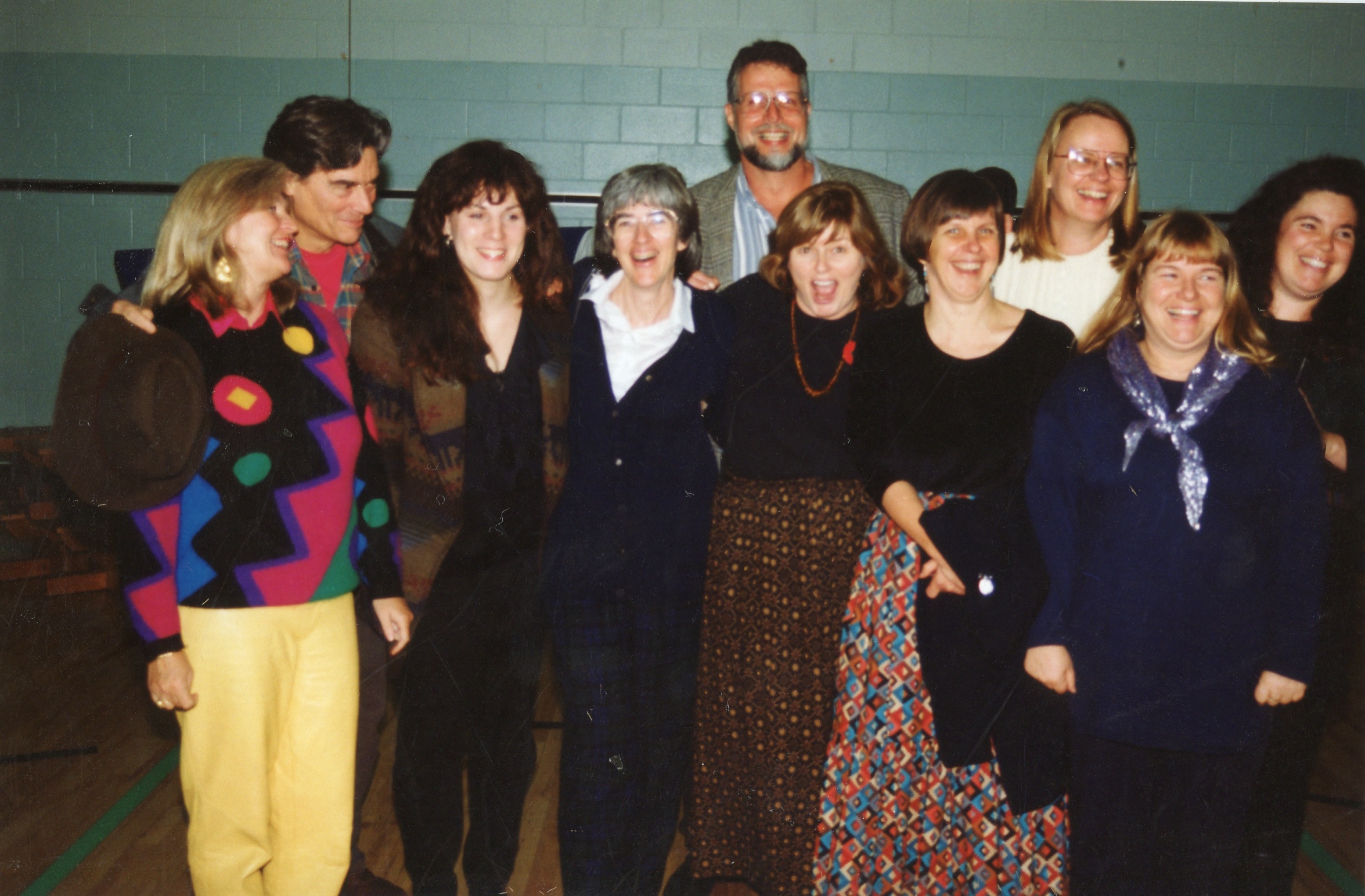
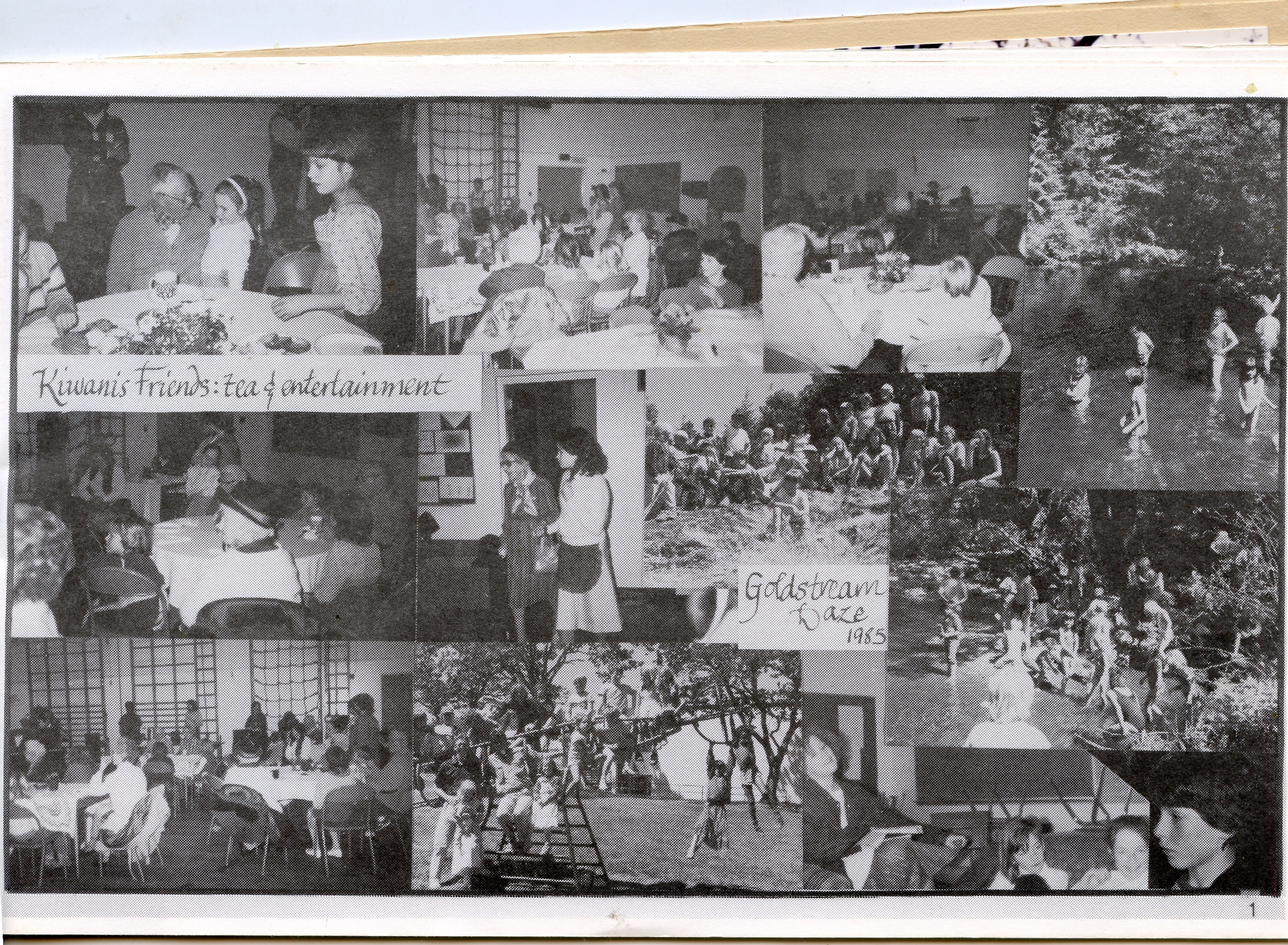
For years, some of us had talked about having a school reunion, but the plan of really carrying out the idea of a 70s and 80s Reunion was born one afternoon in the spring of 2007 when Evie and I were, as usual, reminiscing. It finally took place that fall in our old Bank Street location. Dimitri Demers posted the event on social media. Evie rented the gym and ordered tables and chairs. Natalie Ogilvie (nee Turner) helped organize activities for the babies and children of former Sundance students. The sun shone on us that day, and many people renewed their friendships. I wish I had counted the number of people attending, but it was a really good turnout. I handed out three kinds of questionnaires, addressing different “learning styles.” I took home the feedback from that wonderful afternoon, and it jogged even more memories. The book includes impressions from other Sundancers, as well as my own memories and musings. It includes stories and thoughts that anyone was willing to share, and I’ve tried to relate them respectfully and accurately.
I wonder if people today feel the urgency for educational change that we felt in the 1970s and 1980s, the Golden Years of Sundance School. No reasonable person could deny that Canadian public schools are better for students now than in the 1970s and 1980s. The abolition of corporal punishment under the 1973 B.C. School Act, which banned corporal punishment in B.C. public schools, though private schools could still strap students, made for a less brutal and frightening system.
However, the lock-step style, where all children were taught the same things at the same time in the same way and were expected to have the same learning goals, continued, and we strongly disagreed with that style of educating. We knew that no two learners are identical in their learning needs. We also hated the top-down way of educating children, where the teacher made all the choices and the children had to go along with them. We didn’t agree with kids being expected to sit at desks for hours every day, in spite of their need to move and play. We wanted children to have a choice in what they learned and when they learned it. We wanted them to be able to build on their individual strengths. We didn’t like how conflict was often handled in schools, where the children were reprimanded but weren’t taught peaceful conflict resolution skills. We were against children being expected to remain silent for much of the day when their thoughts and feelings were important and needed expression. We thought grading student work according to some arbitrary standard was pointless. We didn’t agree with the idea that everyone could learn in the same way and at the same pace when we were all so different. We didn’t want parents’ roles to be limited to dropping their kids off, picking them up, reading report cards, and, once in a while, driving on a field trip or baking cookies for a bake sale.
Sundance resulted from parents’ and teachers’ passionate dislike of the conventional schools. We refused to send our children to them and strove to create a school where children’s voices mattered, a school entirely different from the schools of the time. We wanted to do everything in a new and kinder way, to make a school that didn’t harm children and met the needs of the whole child, their bodies, their minds, their emotions, and their inner spark of uniqueness. We were committed to creating a completely more egalitarian and more child-centred educational experience for our children, and we had to make it up as we went along.
I have tried to summarize everyone’s primary wishes by drawing a grid with the y-axis as our structures and the x-axis as the curriculum. The curriculum included self-knowledge, respecting differences, lack of hierarchy, making choices, creativity, relaxation, peaceful problem-solving, communication skills, empathy, caring for the environment, responsibility, and kindness. As parents, we wanted to have a meaningful role in our children’s school lives by being an integral part of the school.
Here is what some parents and teachers of children who were Sundance students have said about why they chose, helped to establish, or continued to support Sundance School.
Peggy Palmer, one of the parent founders, as well as the partner of Paul Palmer, who
taught there and was later our principal, reflected extensively on what kind of experience she wanted for her daughter:
As a parent, I had some pretty clear wishes for my daughter as she approached school age. I saw her as a capable, curious, and well-adjusted person and felt very strongly that I did not want her curiosity stifled or her trust in her innate abilities undermined. I did a lot of reading, talking and pondering on this topic as a new parent—sharing my recollections of school life with other adults, and realized that I wanted something ‘other’ for my offspring. I wanted a place where she would be encouraged to become her own person, to take responsibility for her learning, develop communication skills with her peers and adults, and to value herself for what she is by competing with herself, not an outside standard imposed by the system. I wanted a school where I would be welcomed as a partner in her education.
Evie Chauncey, a teacher at Sundance from 1979 until 1991 and a parent there from 1978 to 1984, emphasized the self-paced nature of Sundance. She wrote:
I wanted children to be allowed to progress at their own rate and not be stigmatized if there was a lag time behind “normal” development. There were children who didn’t read until they were eight or nine. One student who didn’t read until she was nine, went on to win awards and bursaries at Spectrum School for her writing, as well as being in the first group of students who were given credit in high school for a university course (Advanced Placement for English 100). That student received straight A’s at York University in a creative writing major; not bad for a kid who didn’t read at nine!
Recalling her first visit to Sundance, Evie continued:
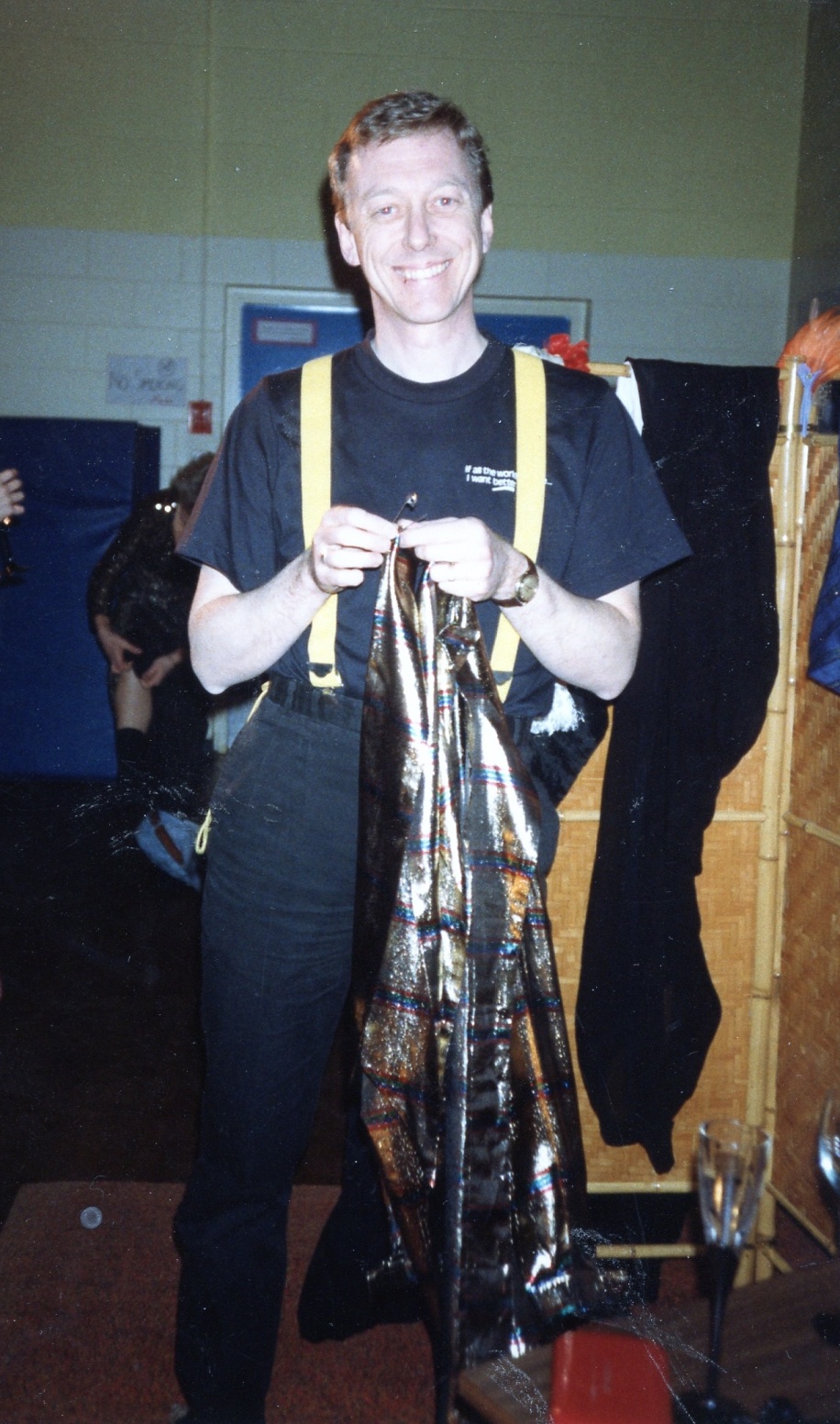
I was awed by the activity, the movement of kids from one space to another, the vitality and warmth. When I went downstairs, I found a group of six- to eight-year-olds dancing to classical music, waving large gossamer scarves, led by a man. That first introduction to Giles, to the modelling of softness as expression in the same man the kids wrestled with and worked out with, was a clincher for me. I wanted to be a part of this, and I knew it was the right place for my daughter.
Becky Canterbury, also a Sundance teacher during the 1980s and a parent there from 1977 to 1984, wrote:
Hearing about Sundance when I was seeking alternatives for my children’s education led me to finally find not only a community but also a family. Little did I know on that first day that this would become the centre of my life for so many years. My first impression of Sundance was of a teacher, whom I came to know was Giles [Bixler], comforting a little girl on the stairs. He was treating her sadness with such tender respect, giving her full attention and all the time she needed to feel better. It was an ‘aha moment.’ I knew that I wanted my daughter and son to experience that same care, respect, acknowledgement, and guidance, and thank god, they did.
Denise Dunn, with her husband Ken, was a parent to Sundance students Sam and Tom, who attended Sundance from 1979 to 1989. Denise taught there from 1989 to 1993, and answered my 1993 questionnaire in this way:
I wanted a place where my children could be happy, and indeed, they never wanted to take a day off from Sundance. I wanted a place where my kids could develop their potential, free of coercion and fear. Having enjoyed my own schooling, I had a positive attitude towards school and expected my kids to have the same. I wanted support in raising kids who would care for others, be free of prejudice, have a sense of personal responsibility and tell the truth. As our children moved through Sundance our family’s needs developed and changed. Sam’s and Tom’s reading, writing, ‘rithmetic skills and their preparedness for Junior High gained in importance as they grew older. On the whole, Sundance met my expectations as a parent.
Leslie Hogya, with her husband Giles Hogya, were parents to Brooks and Jean-Guy, who attended from 1976 to 1984. Leslie taught there from 1985 to 1992 and wrote:
I came to Sundance because I wanted a supportive, creative, open-ended education for my children, where they could develop their own interests and ideas. I, like many others, had been inspired by the book Summerhill and wanted my children to have that kind of open learning opportunity. Brooks would be in grade 2. He had attended Goosey Gander Kindergarten and then been in Margaret Reinhardt’s grade 1 class in our neighbourhood school at the time. Marg was an innovator in education, beginning to use whole language techniques before they had a name. So, I felt Brooks had been given some great learning opportunities thus far. When his name came up on the waiting list for Sundance, he began in September. The first day, we were in a downstairs room and got introduced to the idea of family time with Bronwen [Holland]. She welcomed us, sitting in her family rocking chair. I loved seeing the teachers interact with the kids. There was a lot of art and music everywhere. For me, Sundance was a rare and wonderful place where people of all ages worked together; learned to respect each other’s differences. I grew as a person and as a teacher.
Sarah Mathison, who had two daughters in the school, Kia and Isis, described experiencing care and friendship at Sundance.
I wanted to be an active part of the girls’ school life. Sundance’s staff went far beyond my expectations as far as caring about my children. The bonding between students and staff was and continues to be far beyond what I have seen anywhere else. Sundance turned out to be a lifetime investment in caring and friendship for many of us.
Jane and Wayne Thom, whose son Aaron attended Sundance at the end of the 1980s, wrote, "Sundance was a haven for democracy for us in the fall of 1987, a refuge when our son needed choices, a sense of control, reduced pressure, and a feeling of acceptance."
We, too, were looking for something completely different from what conventional schools had to offer. My partner Joel and I agreed that the ideal school for our children, Jason and Lace, if we didn’t homeschool them, would have to nurture their uniqueness and take a hands-off approach to their learning so they had the freedom to become who they truly were. This meant a school that would ‘do no harm.’ It implied gentleness beyond all else. It meant facilitating without forming. My experience working at conventional schools and then at the Montreal Free School led me to think that, other than through homeschooling, no school could give us what we were looking for. We didn’t know how that could be achieved until we found Sundance in Victoria.
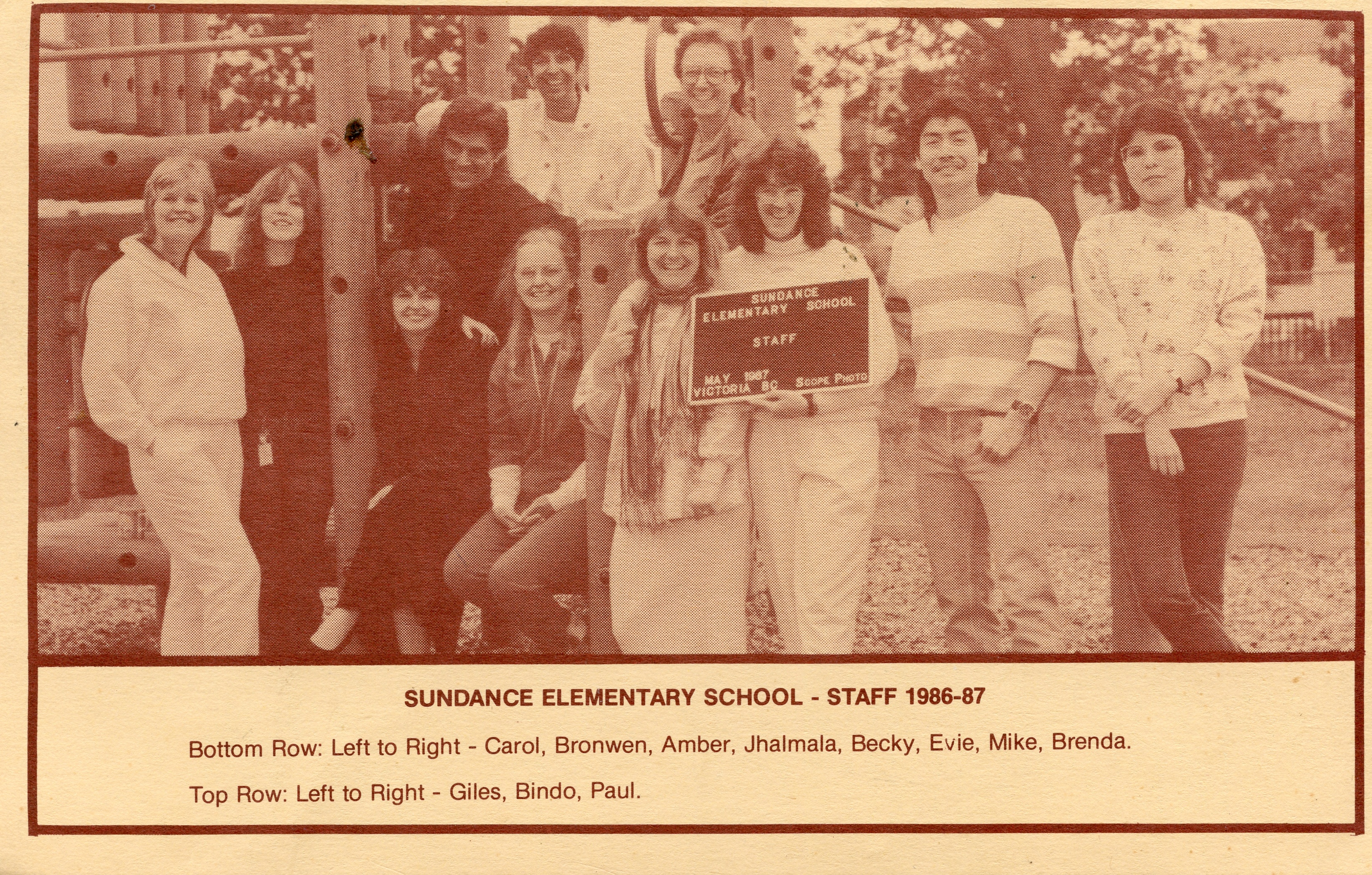
After Sundance had been in operation for almost two decades, a new era in BC Education arrived in 1990, in the form of the Sullivan Commission, the BC Ministry of Education document, Year 2000: A Framework for Learning. That was the year I left Sundance and moved on to what became a second career as a Kindergarten and Grade One teacher in Victoria’s downtown schools: Hampton, The George Jay, and Quadra. I hoped there would be no more need for an alternative like Sundance. I was then forty-five years old and still optimistic. Paul, Becky, and I, as well as Bronwen, who had taught at Sundance from 1974 to 1987 and had been a parent there from 1982 until 1990, were all teaching in the Greater Victoria School District in various schools and experiencing our philosophy of education working in a new setting.
Our dearest hopes of changing the system for the better never came about. Today’s schools have some of the same problems as well as numerous different problems. Parents, teachers, and students might be less frustrated with the educational philosophy of the present decade because of some important changes in reporting and student autonomy, but the system is unsatisfactory in so many ways. The COVID-19 epidemic brought to light certain problems and created others. Present-day schools are overcrowded, understaffed, and underfunded, and there has been a growing pushback against more liberal values that were being introduced. The influence of people wanting their religion taught in schools, banning books that they don’t want their own children reading, so would prevent all children from reading them, and disrespecting differences instead of embracing diversity, is causing problems in many B.C. schools. The problem of how technology affects children’s brains is not yet clearly understood. And importantly, today’s schools aren’t anywhere near as student-centred as Sundance was.
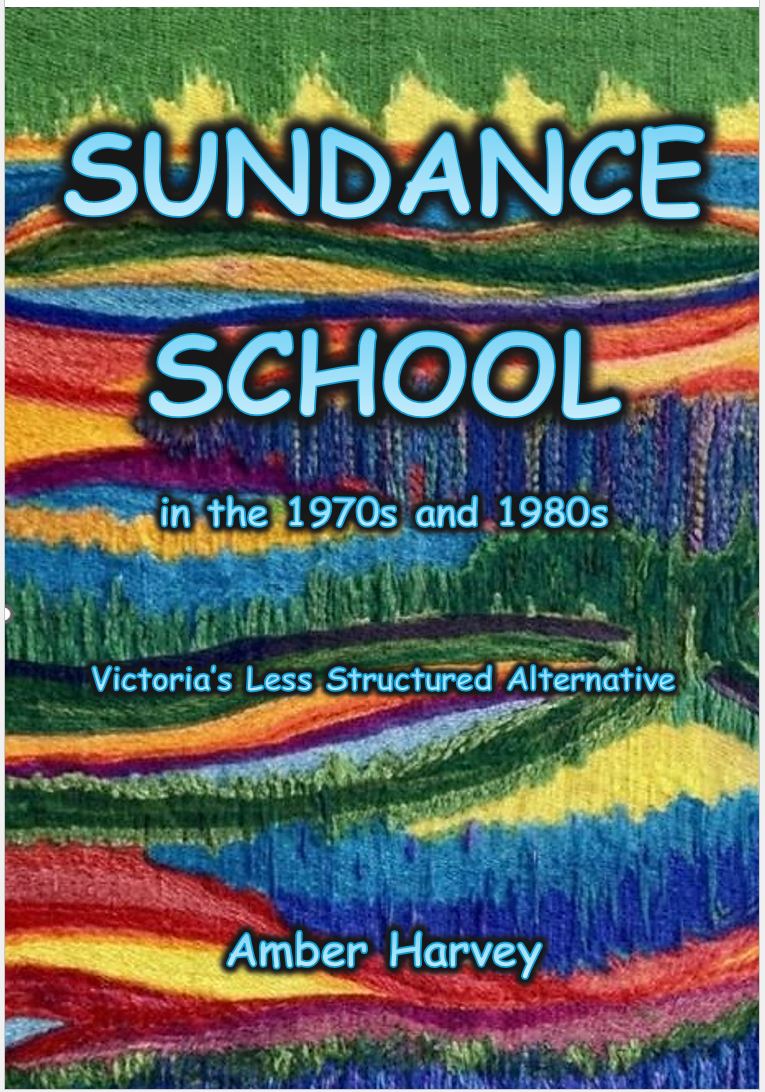
I still needed to design an outline for the book I was trying to write. I didn’t want just a series of unconnected chapters, but a meaningful picture of the whole system that had meant so much to me. And finally, one day, an image came to me: Sundance was a tapestry.
The strong warp was made from the structures we created for this new school; important structures like Families, Offerings, Circles, First Names, Newsletters, Appreciations, Booklets, and Out and Room. They were the scaffolding or frame that gave stability to the people in our “less structured” school, to the staff, the parents, and especially to the students. It was a strong, safe, and yet welcoming and nurturing place for them.
The weft represented how we wanted our children to come to know themselves, express themselves in their uniqueness, learn empathy, accept differences, be creative, make choices, communicate well, and learn to live peacefully with each other and as members of society. It was made from strands and ribbons of interwoven, colourful silk, each one representing the heartfelt values, beliefs, goals, dreams, and wishes of the staff, the children, and the parents, over the years. It all resulted in one gorgeous tapestry.
I saw Sundance School as a beautiful, colourful, joyful tapestry, strongly woven over time from all the dreams, thoughts, and values of the wonderful people who were part of it.
Comments Below>>>>
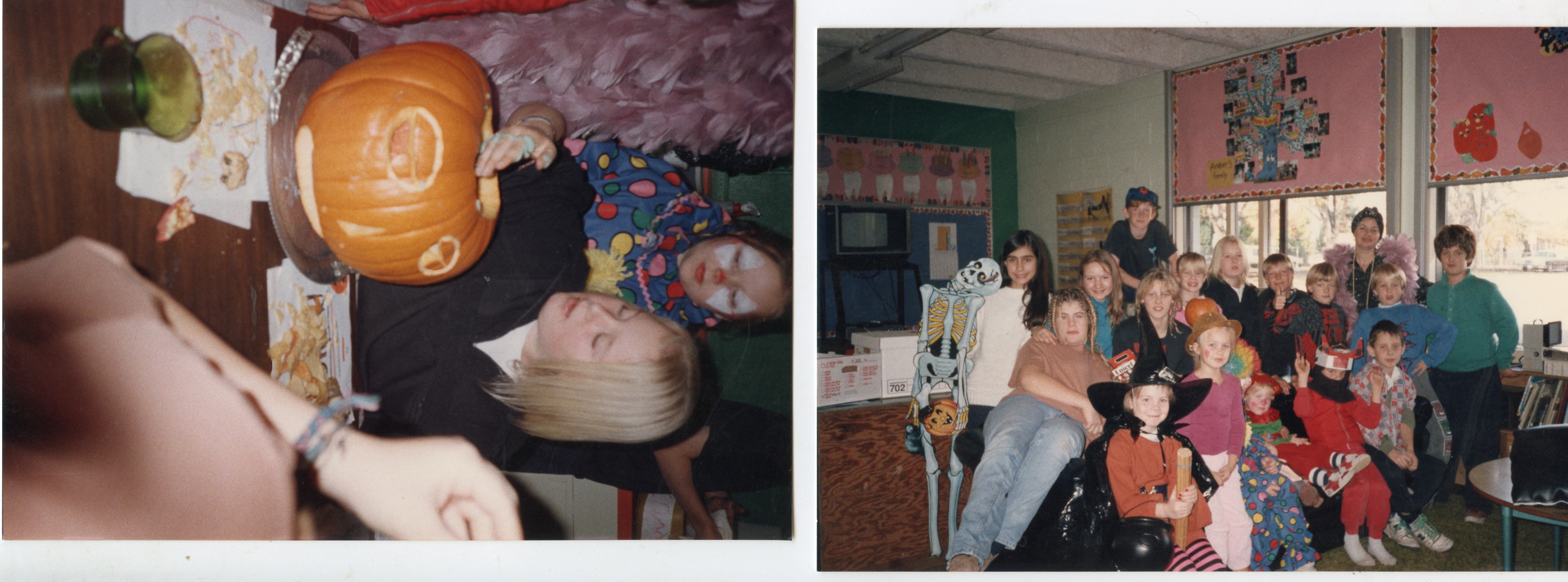
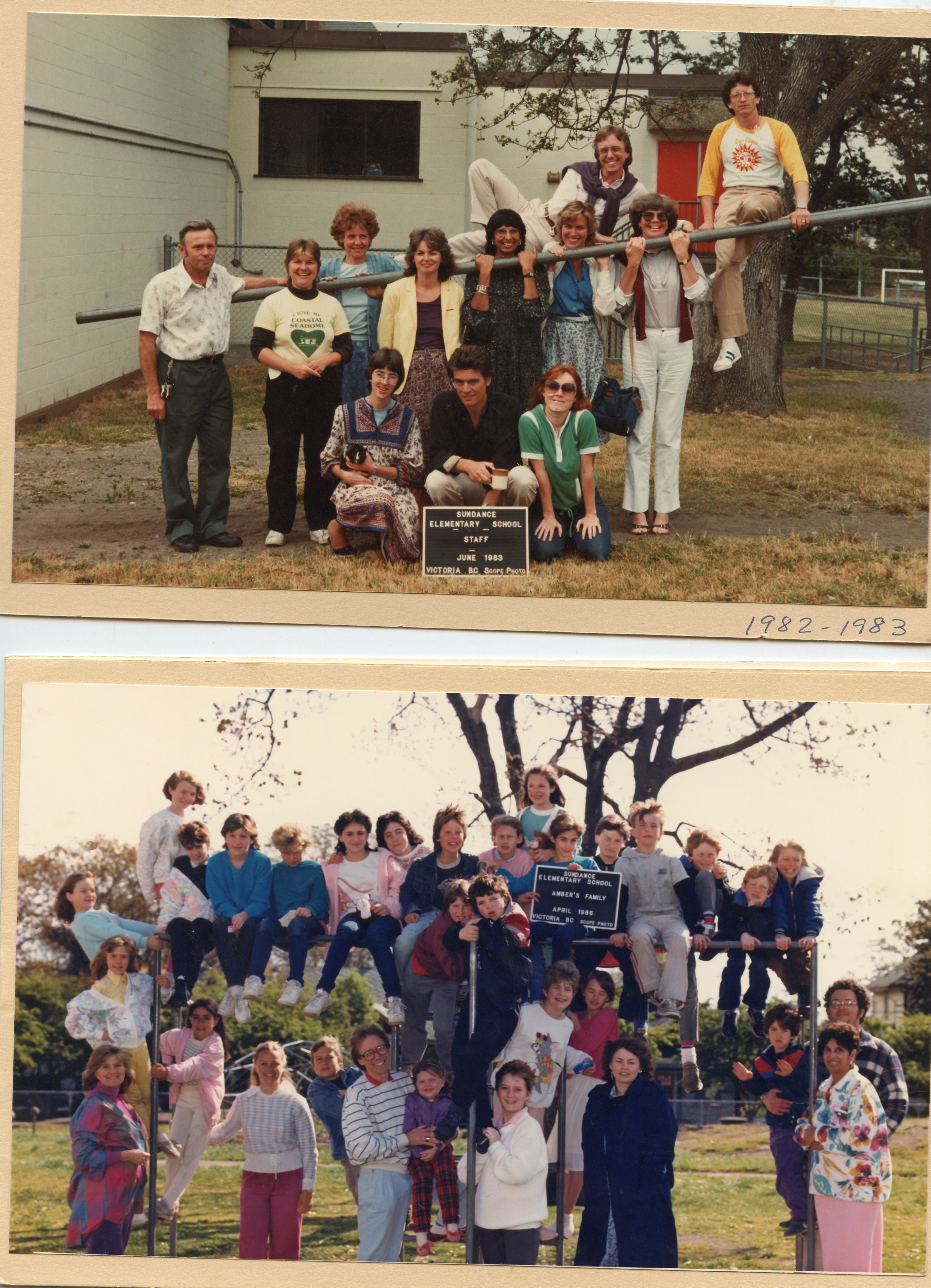
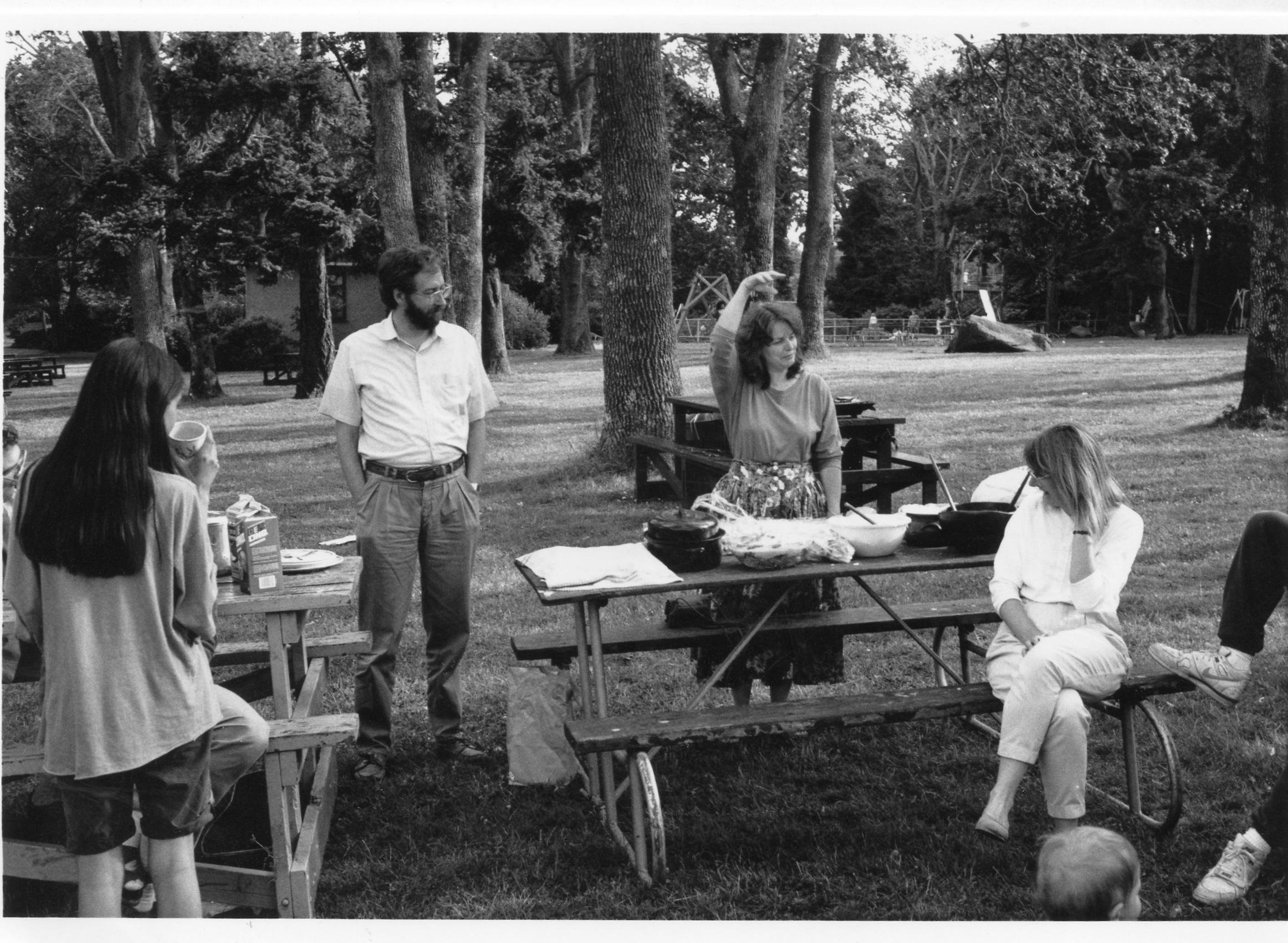
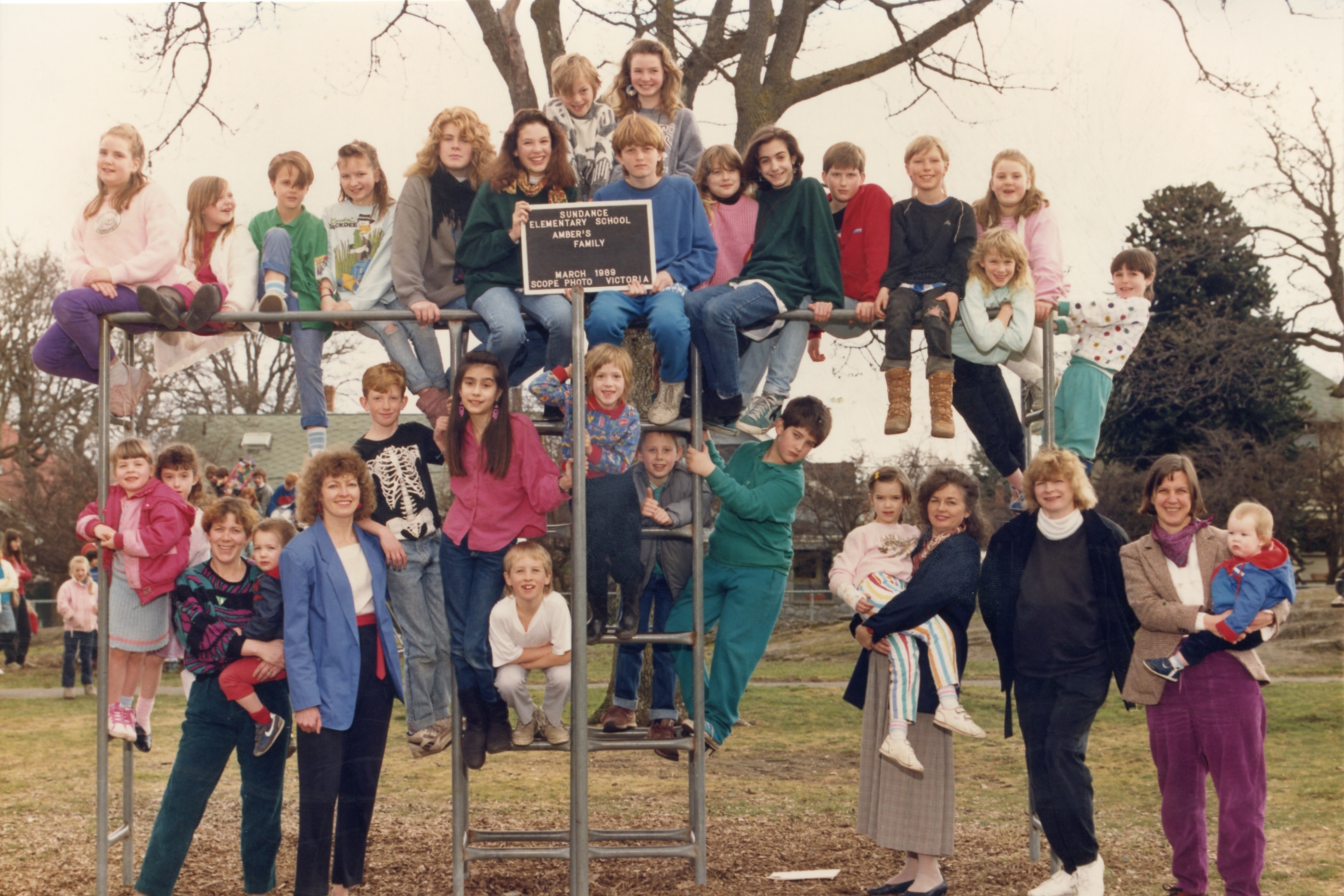
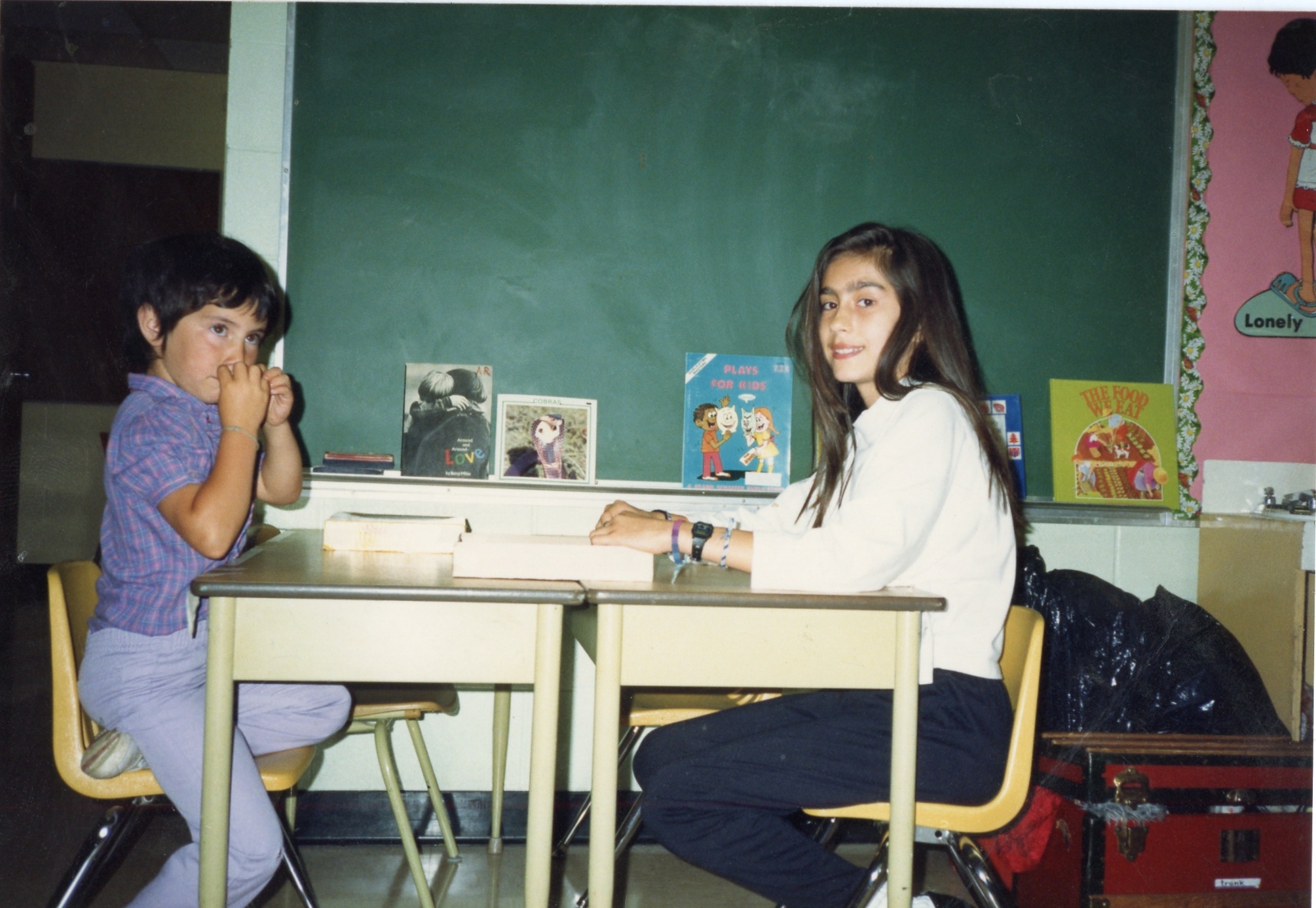
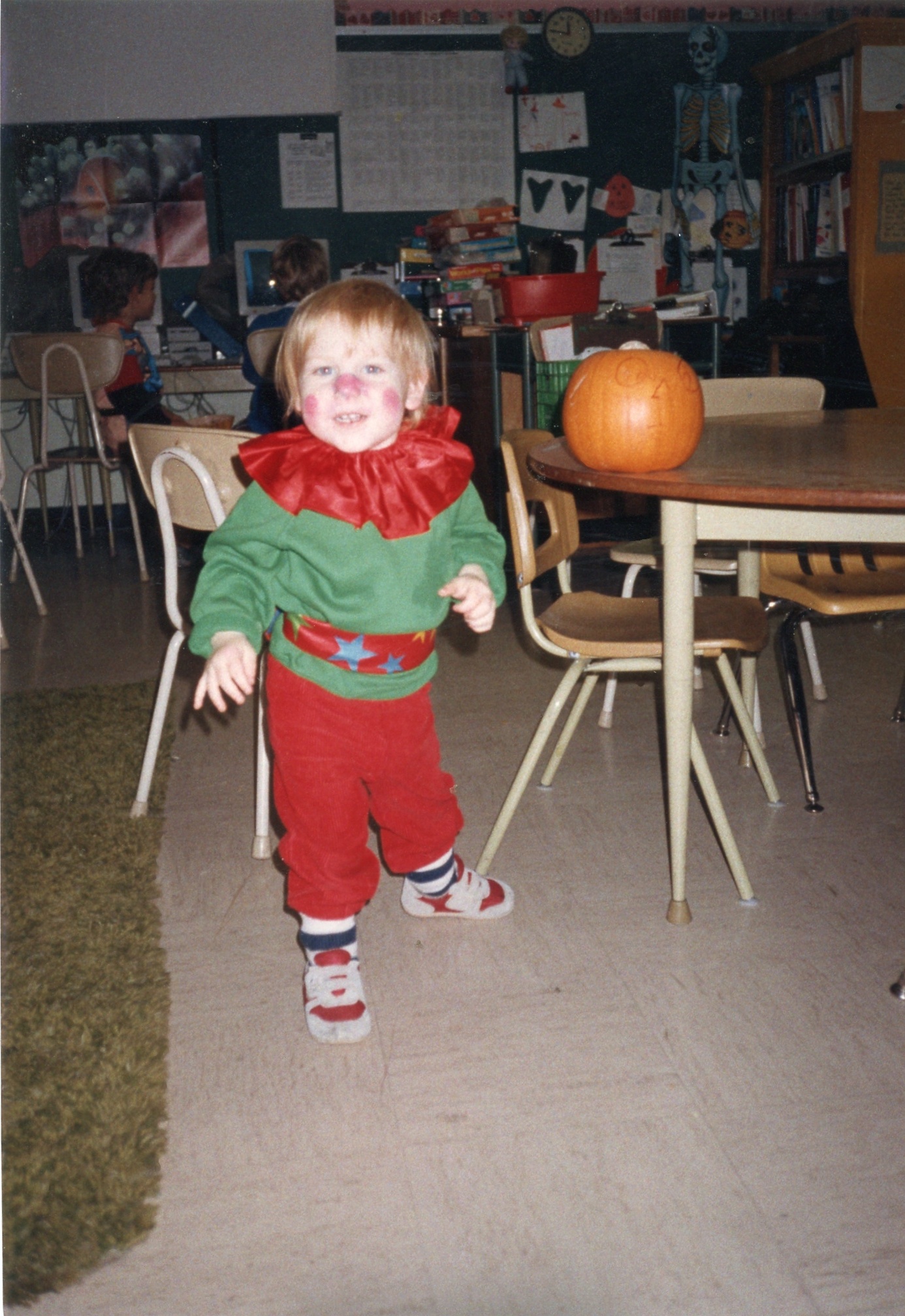
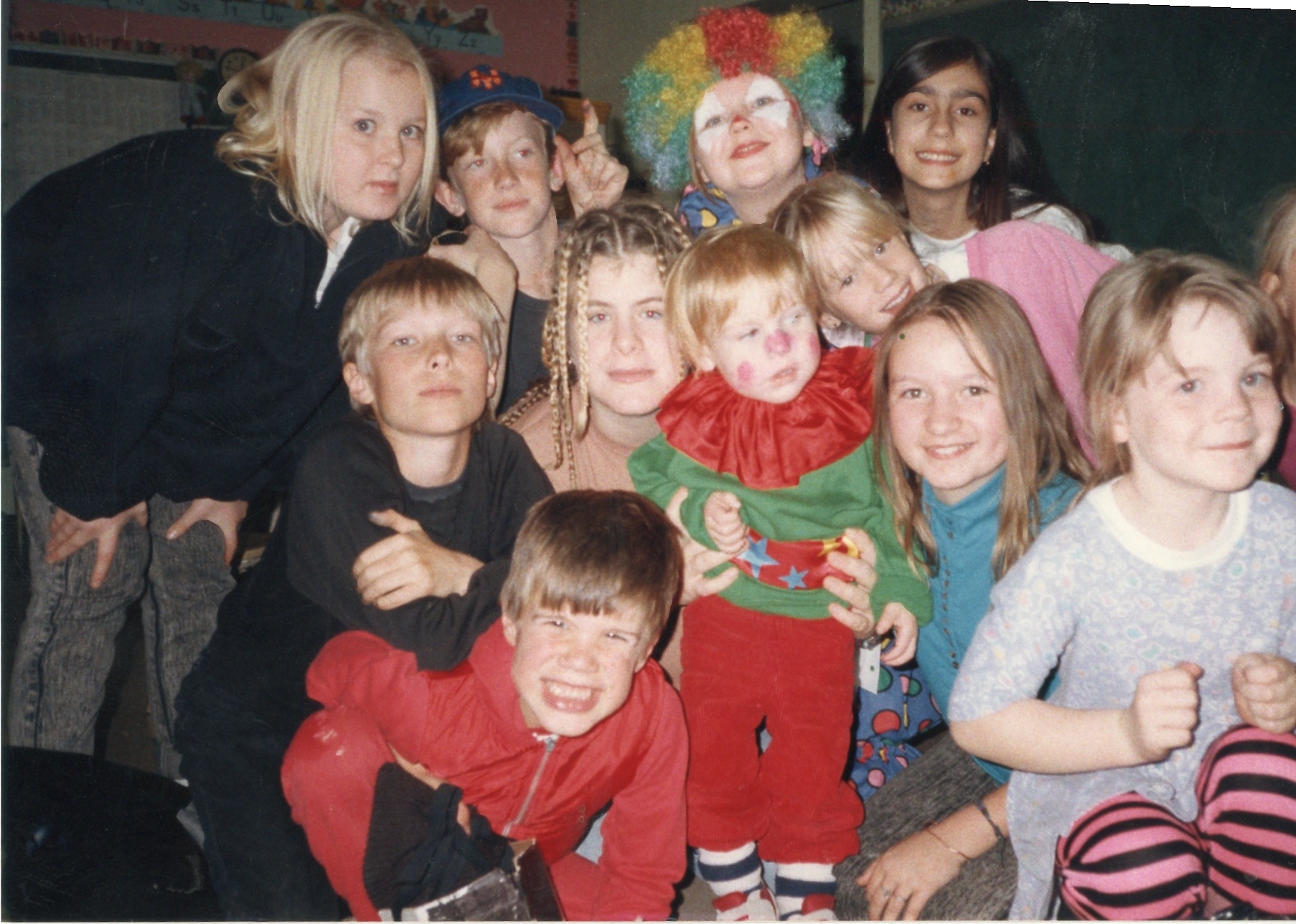
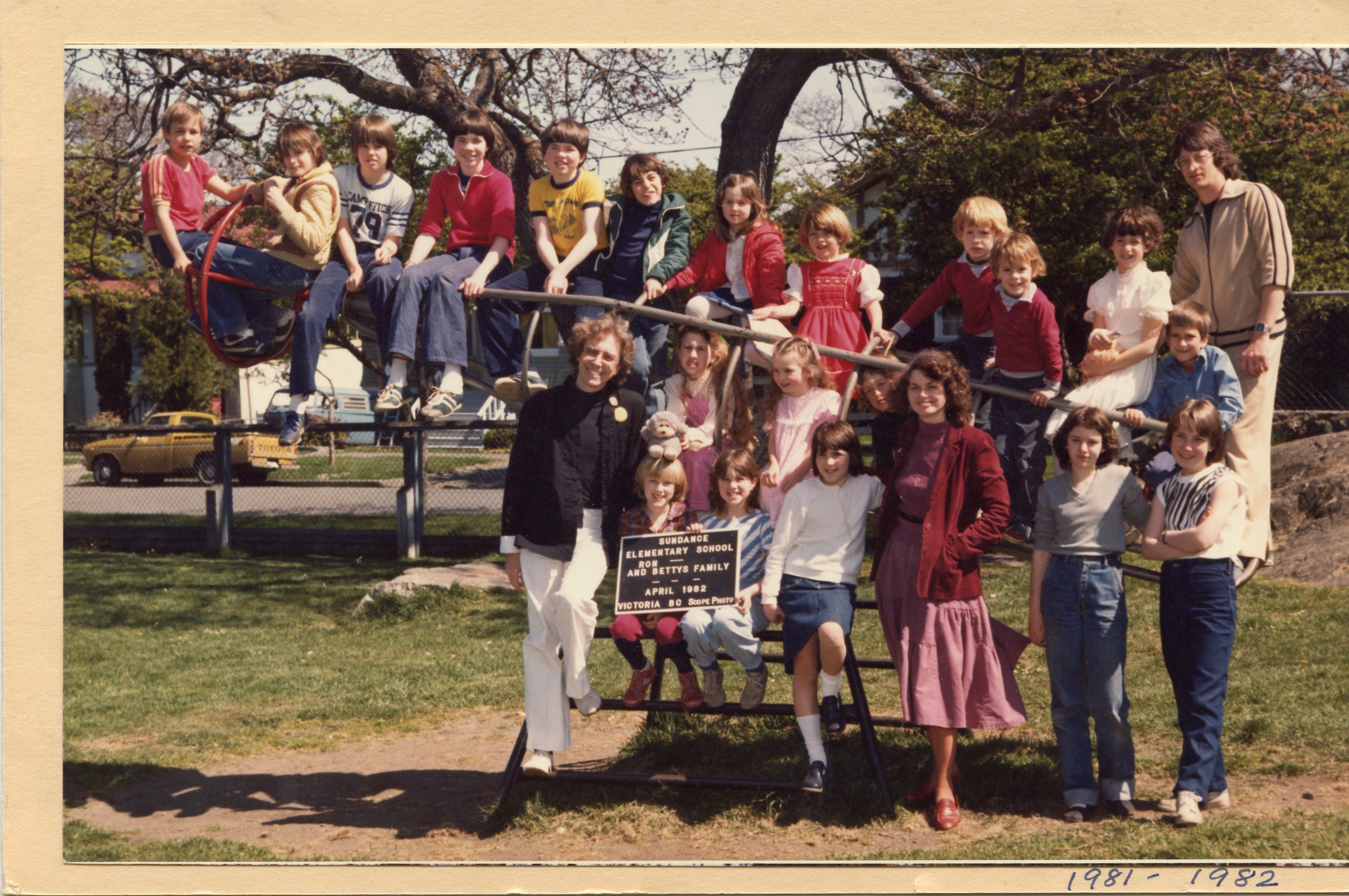
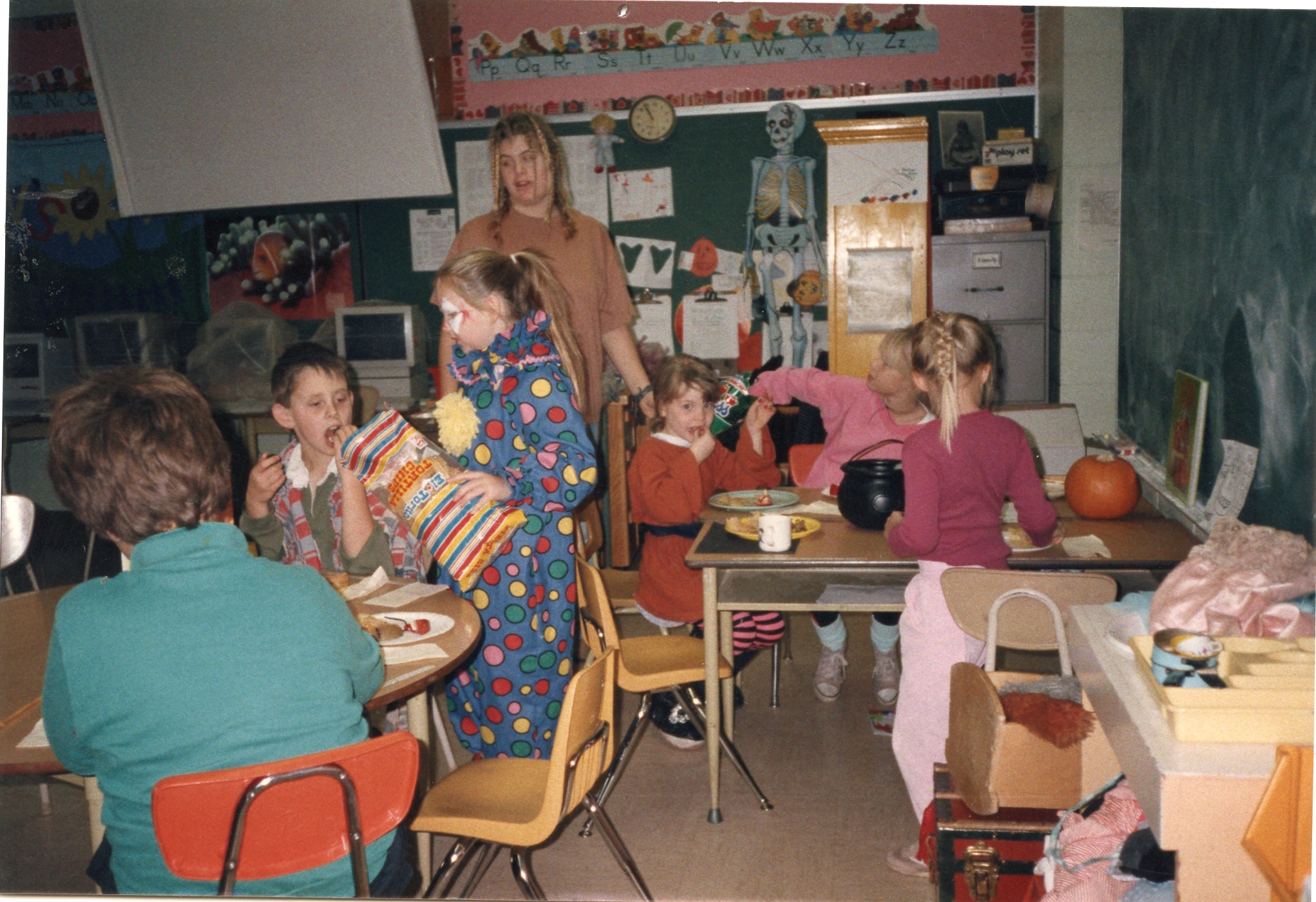
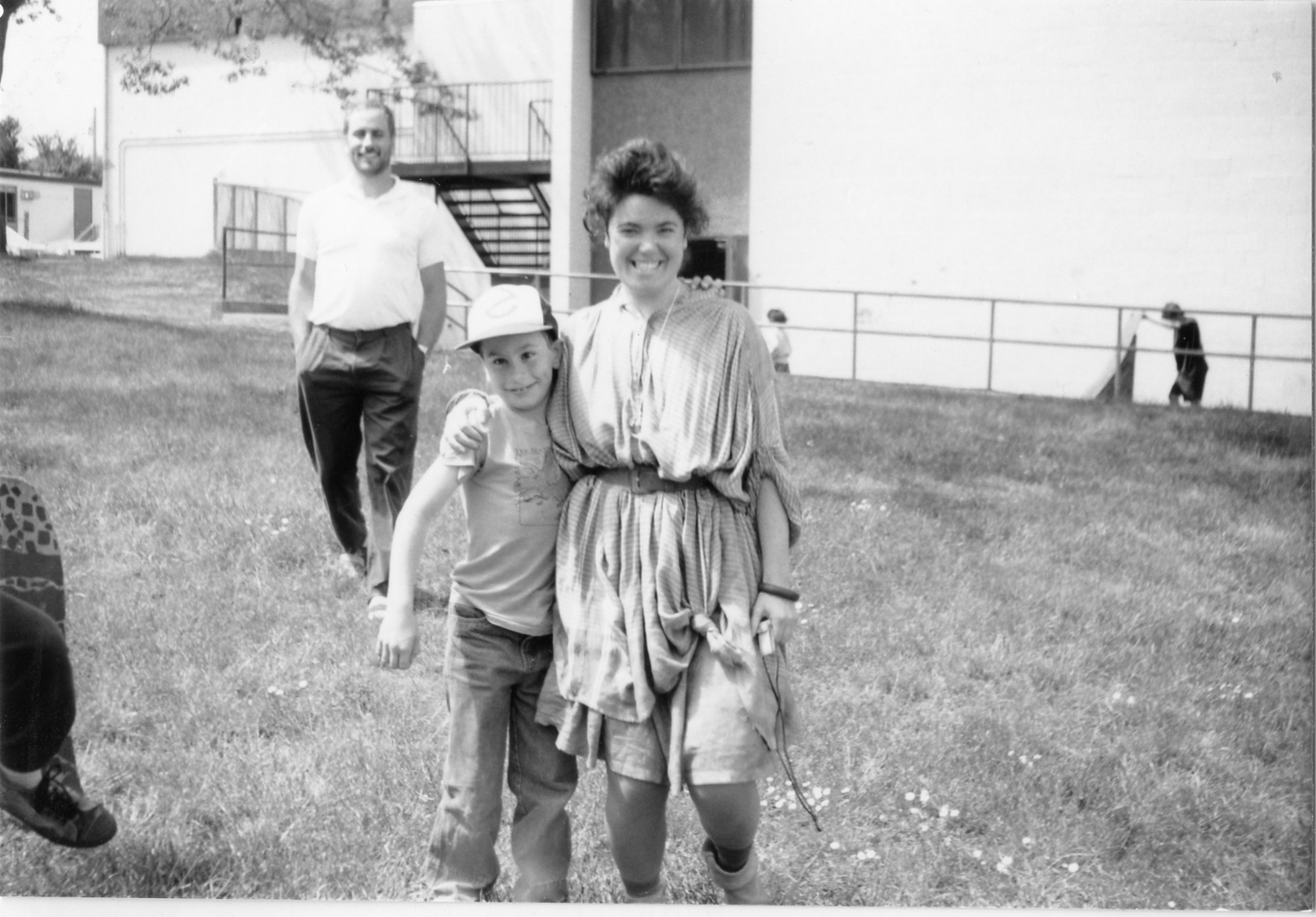
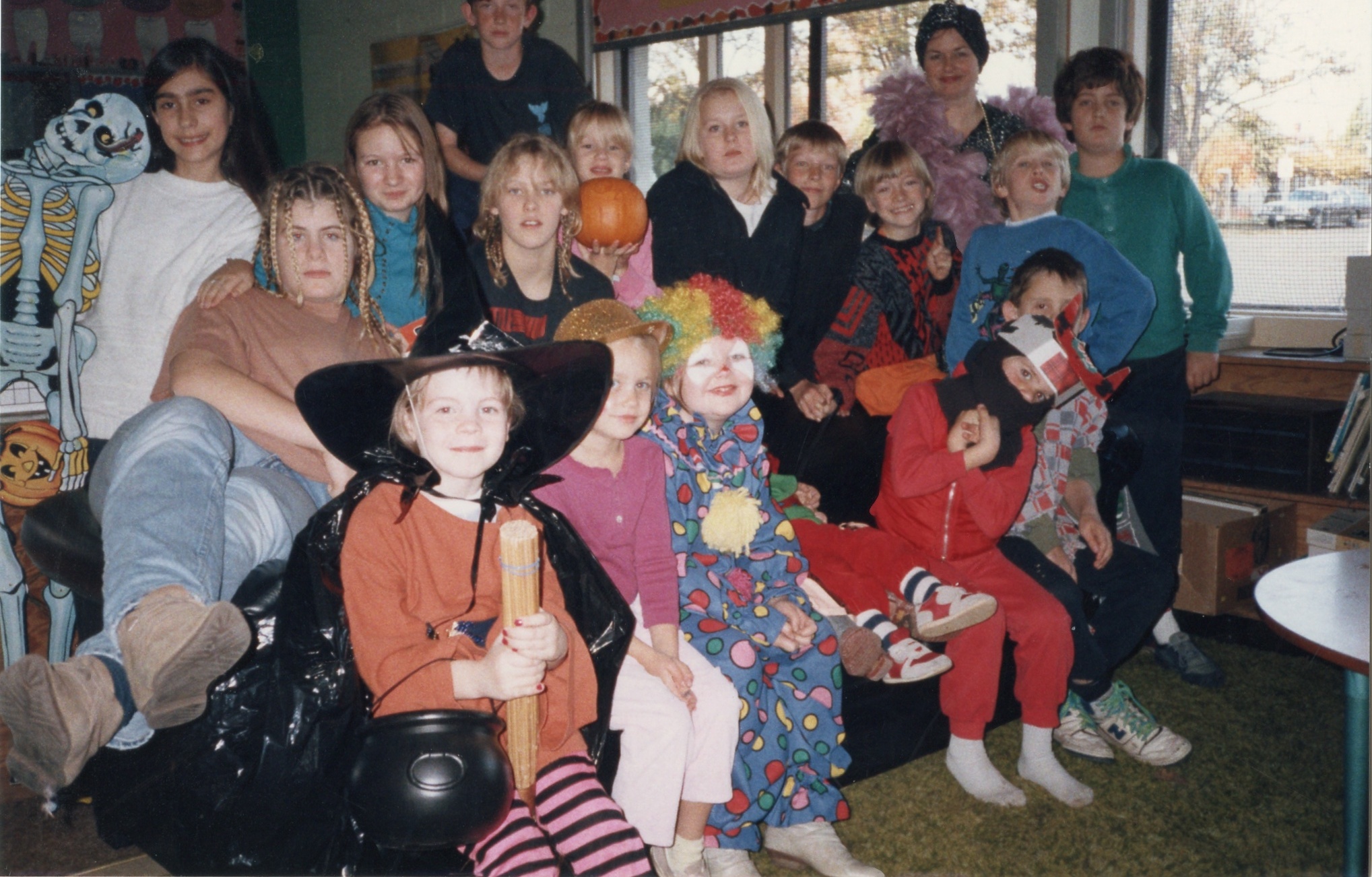
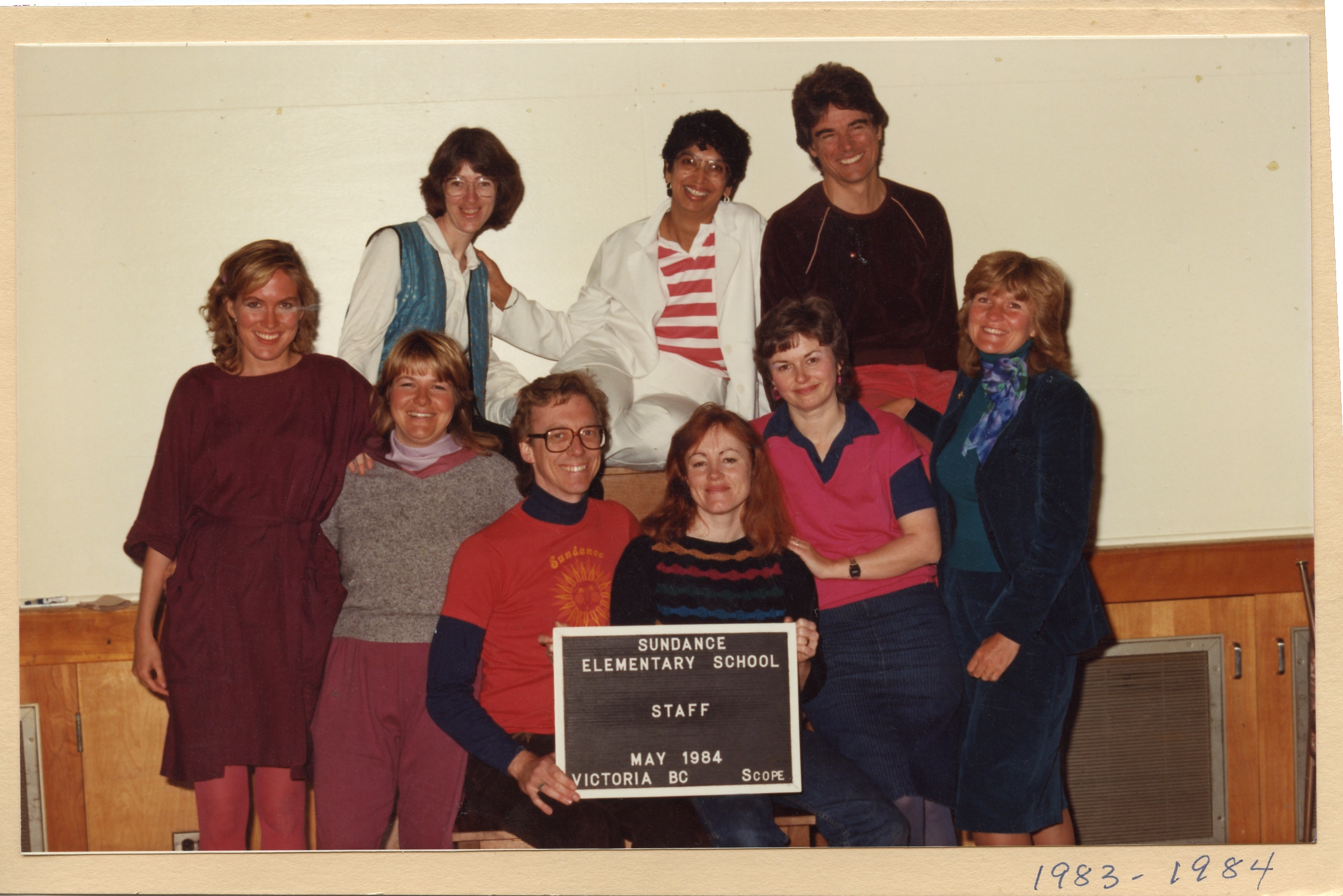
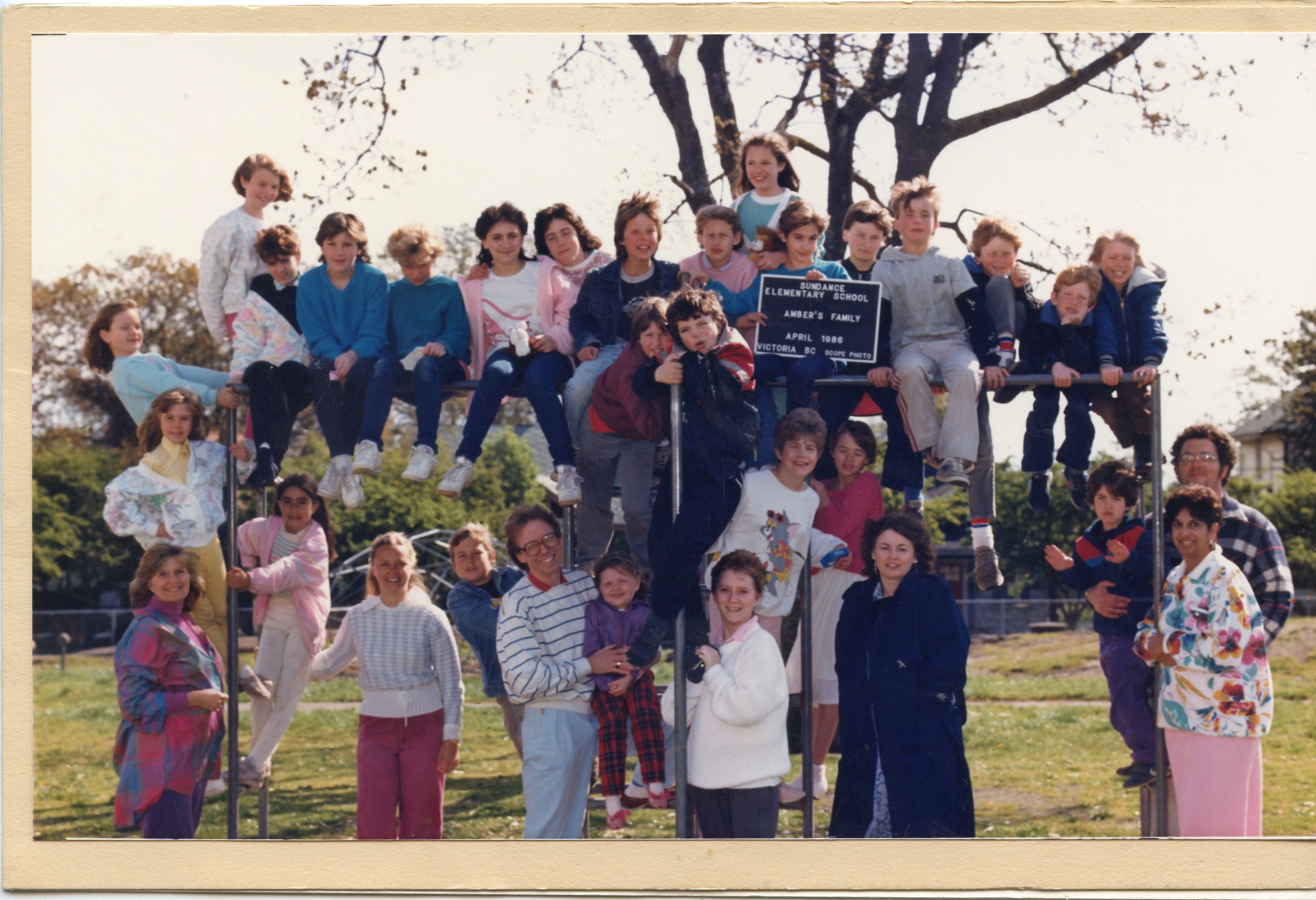
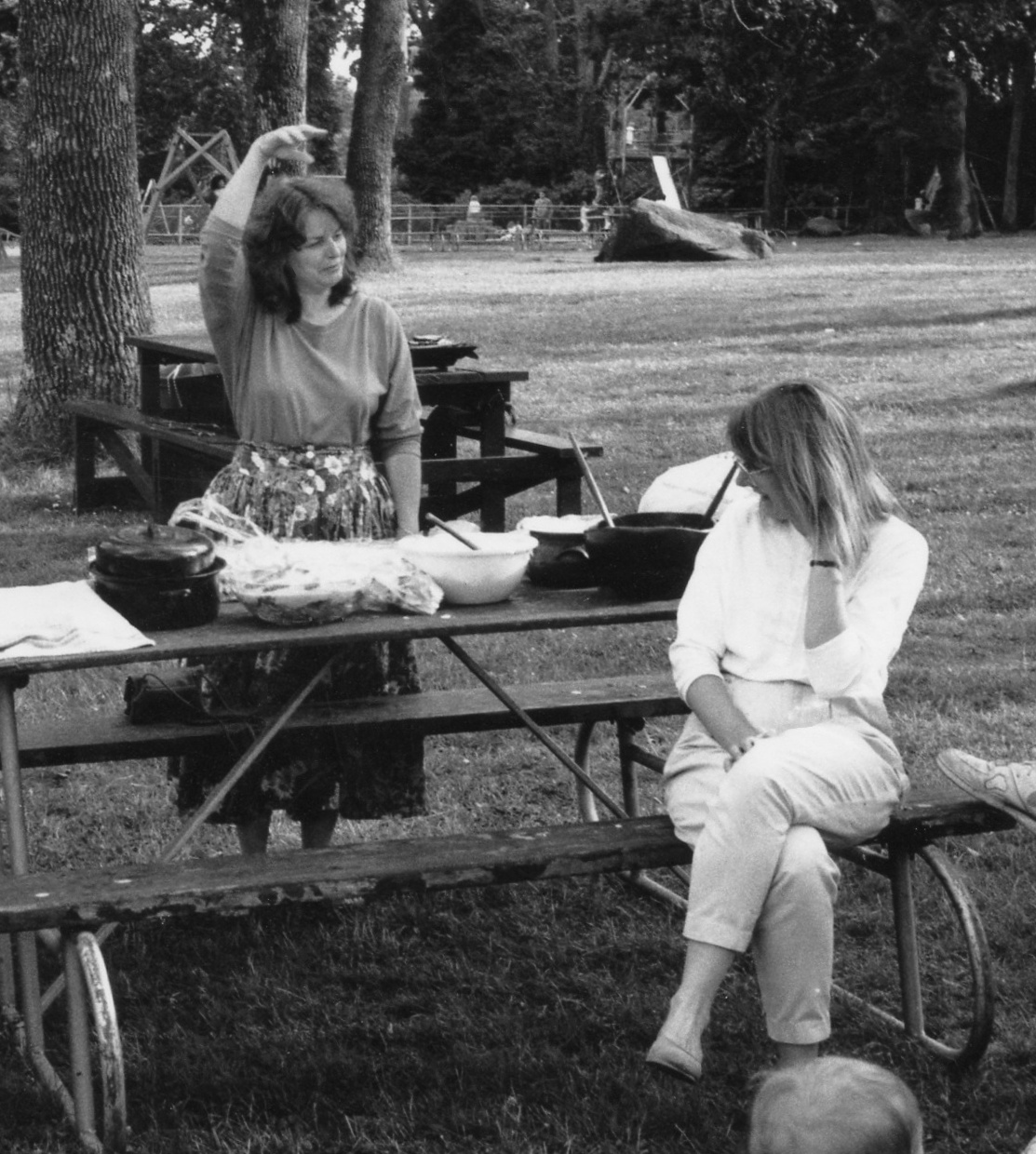
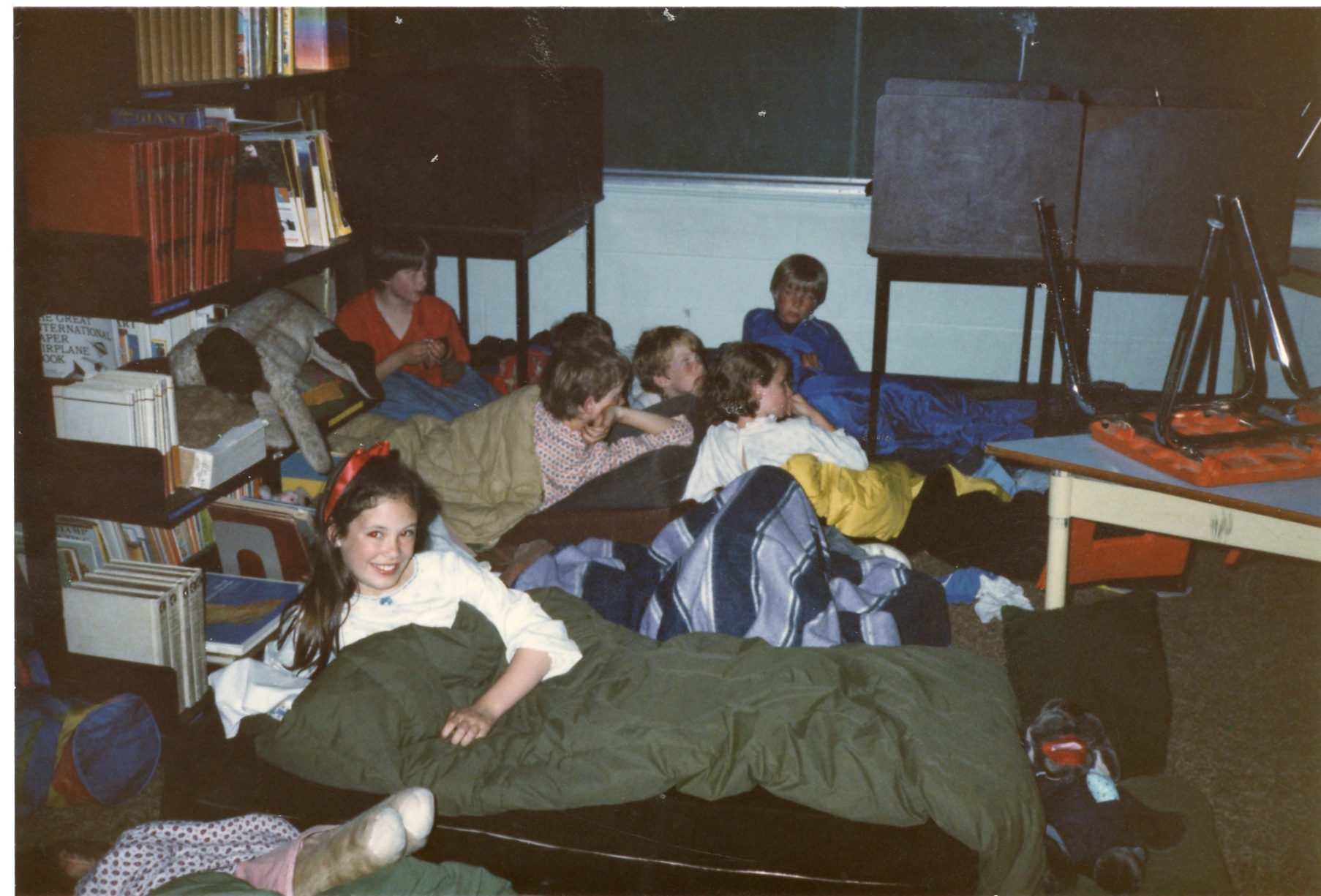
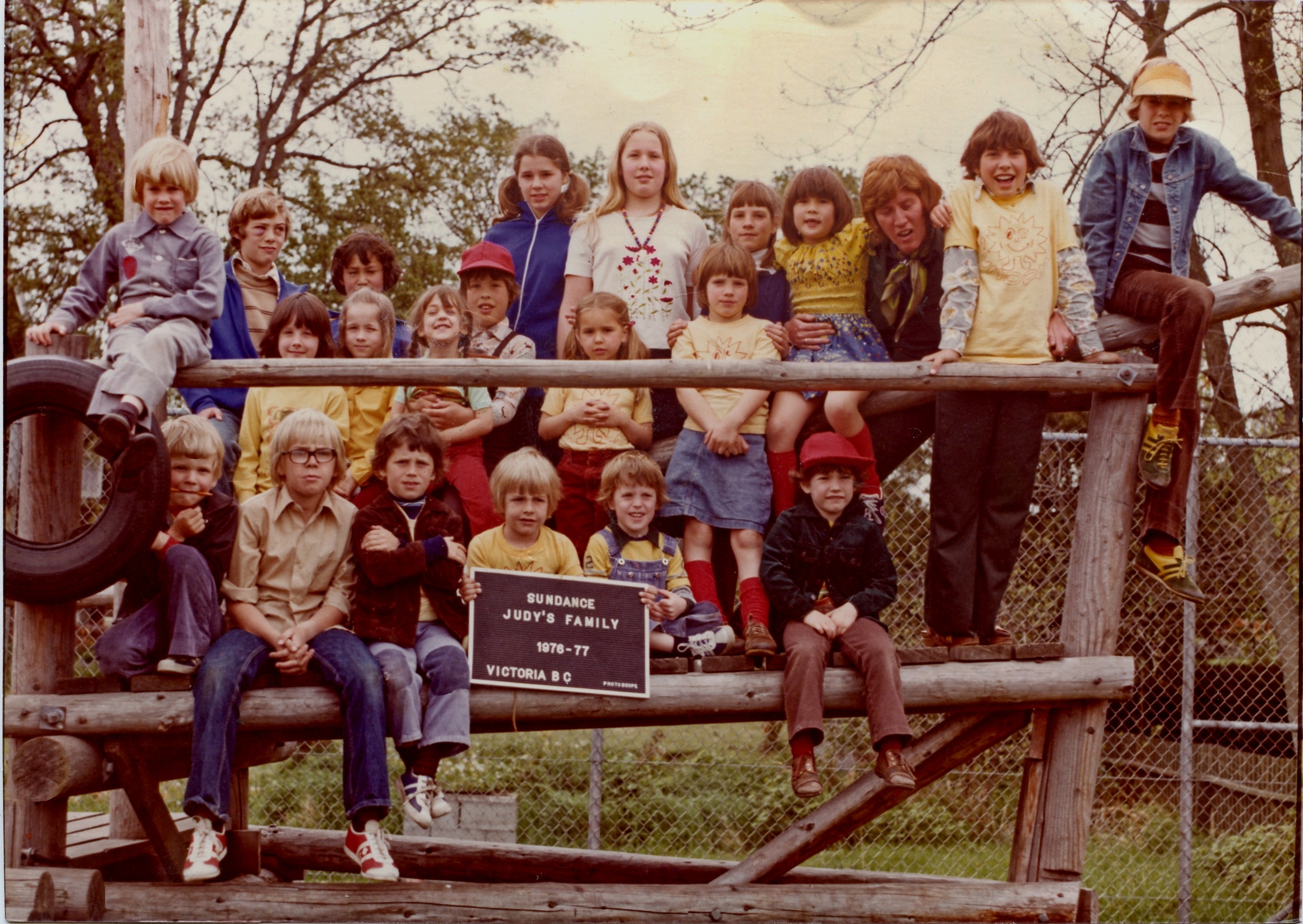
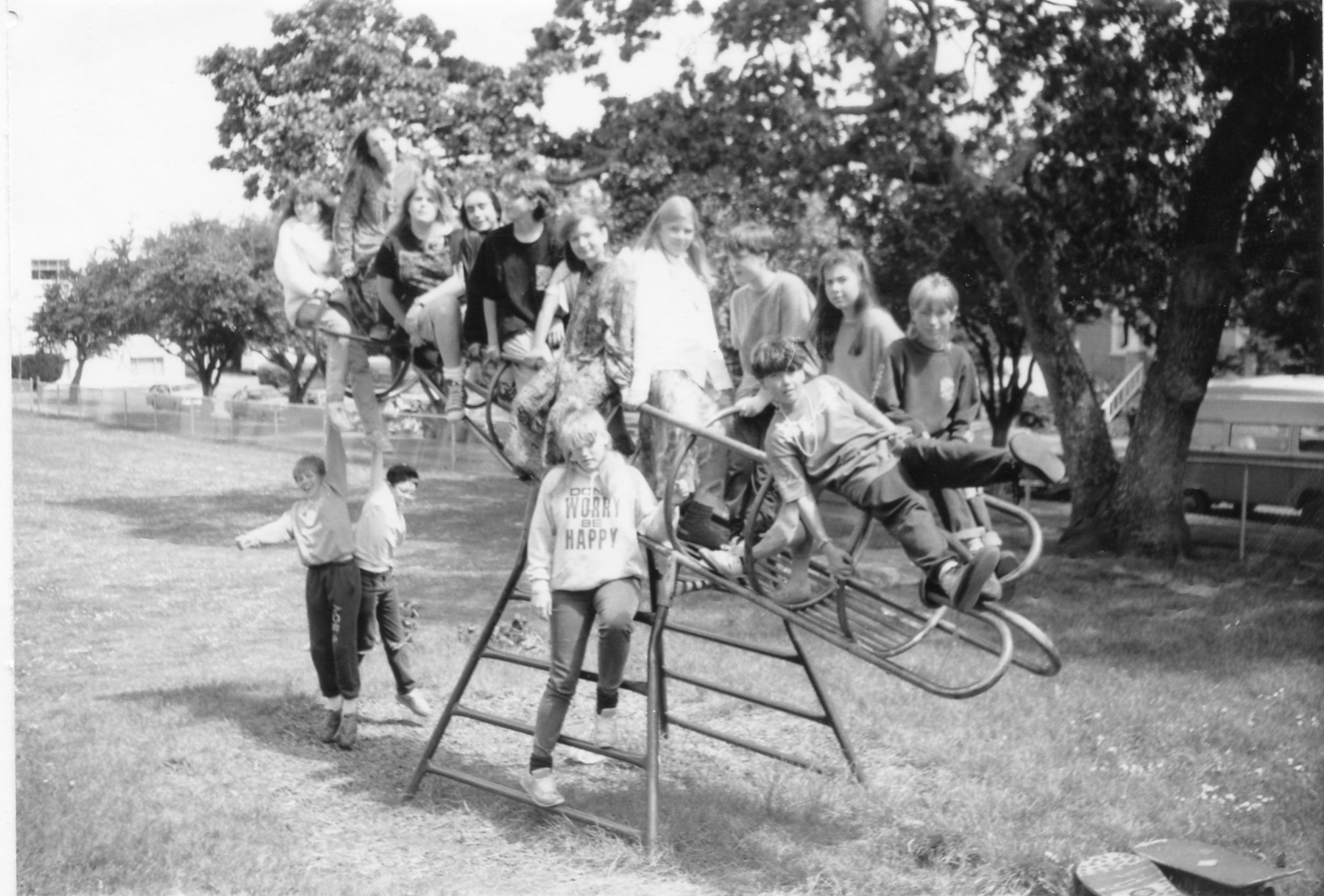
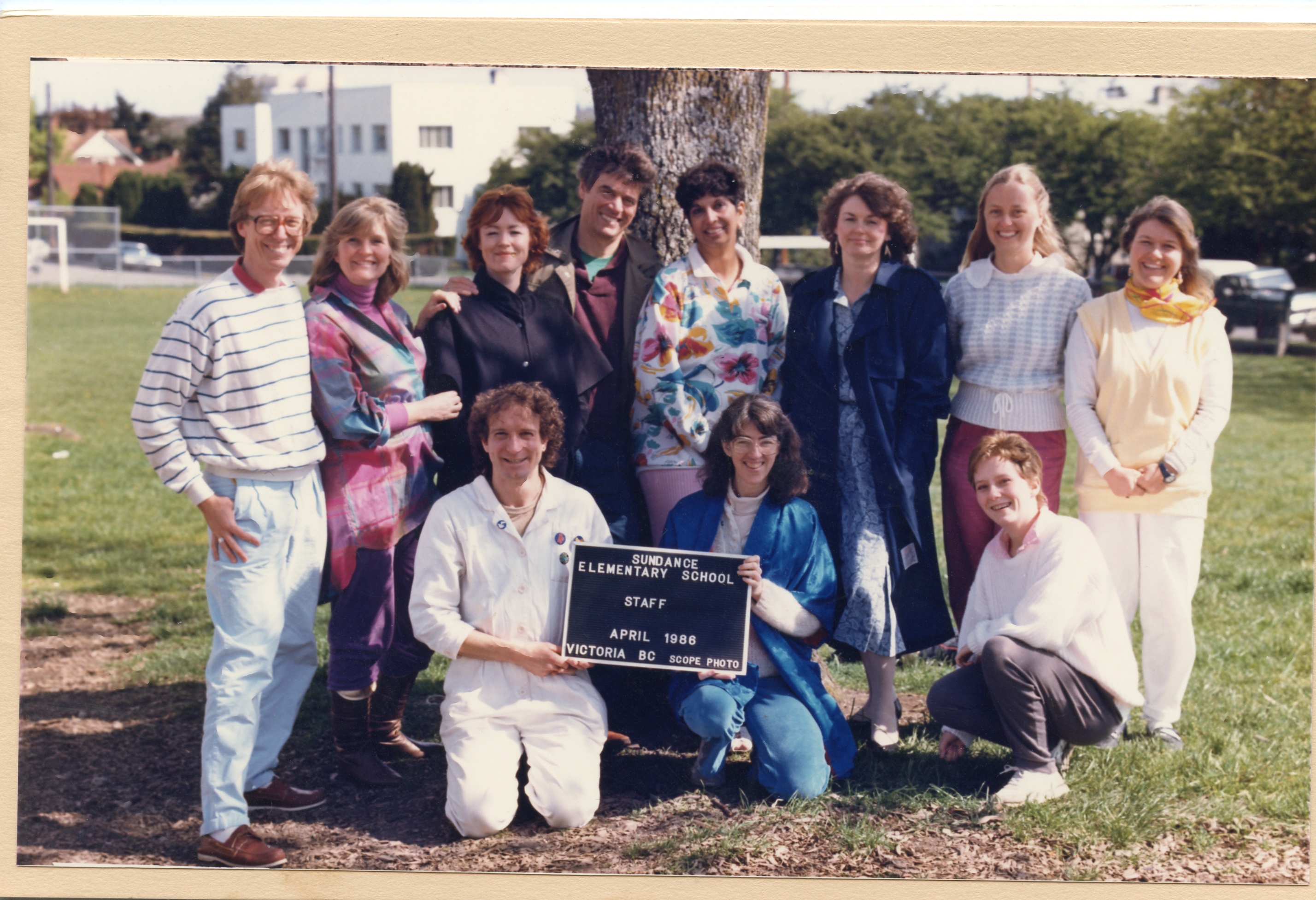
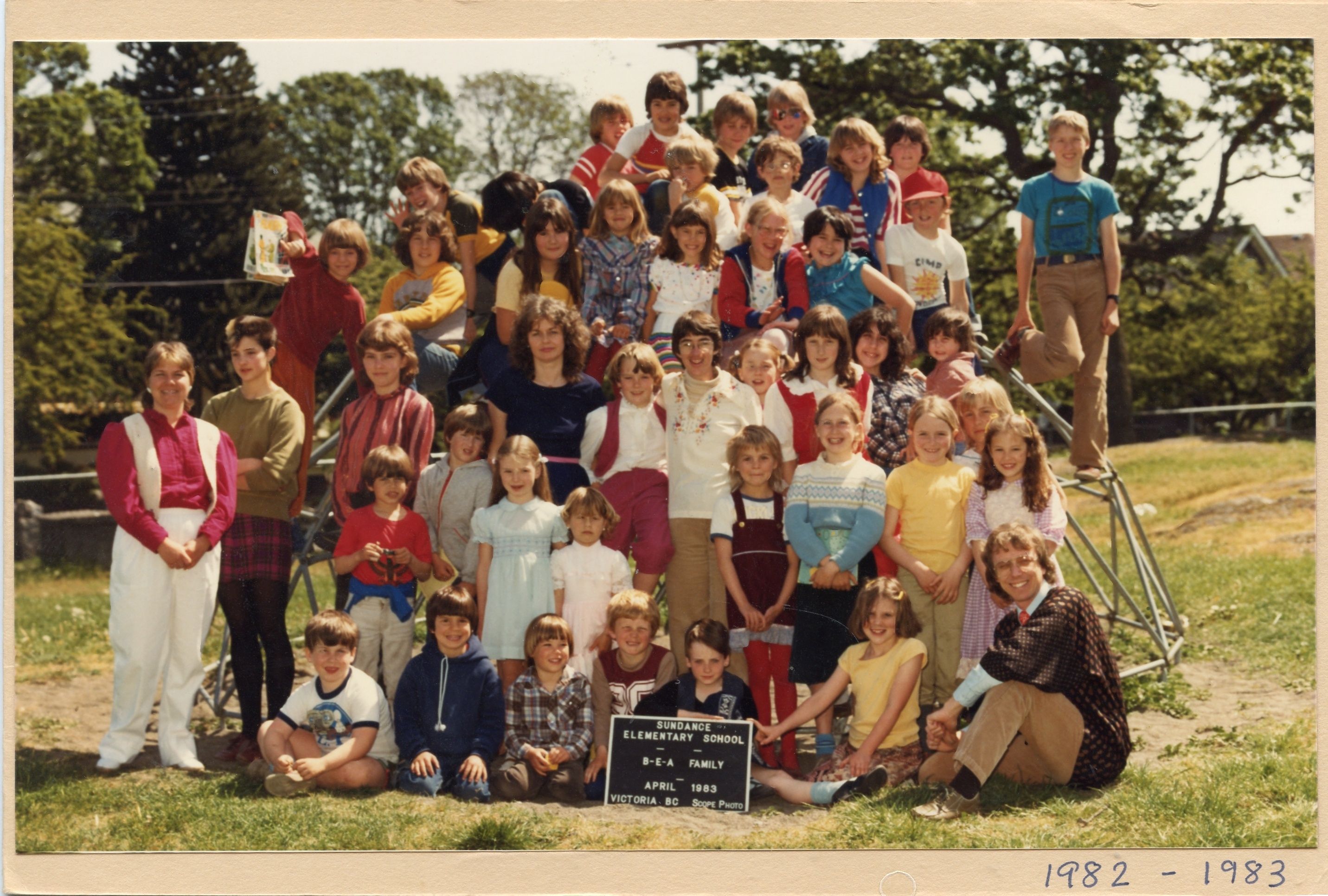
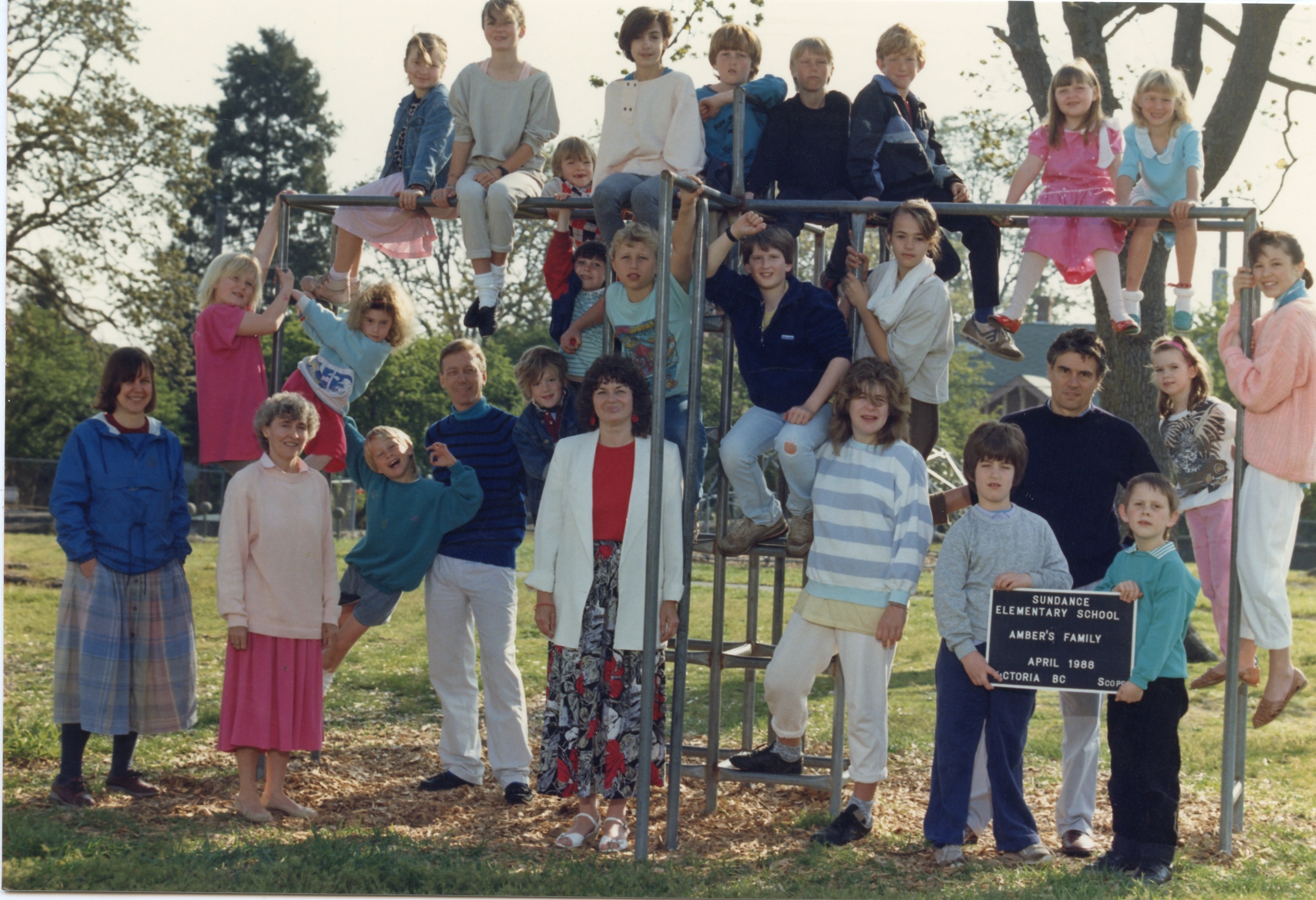
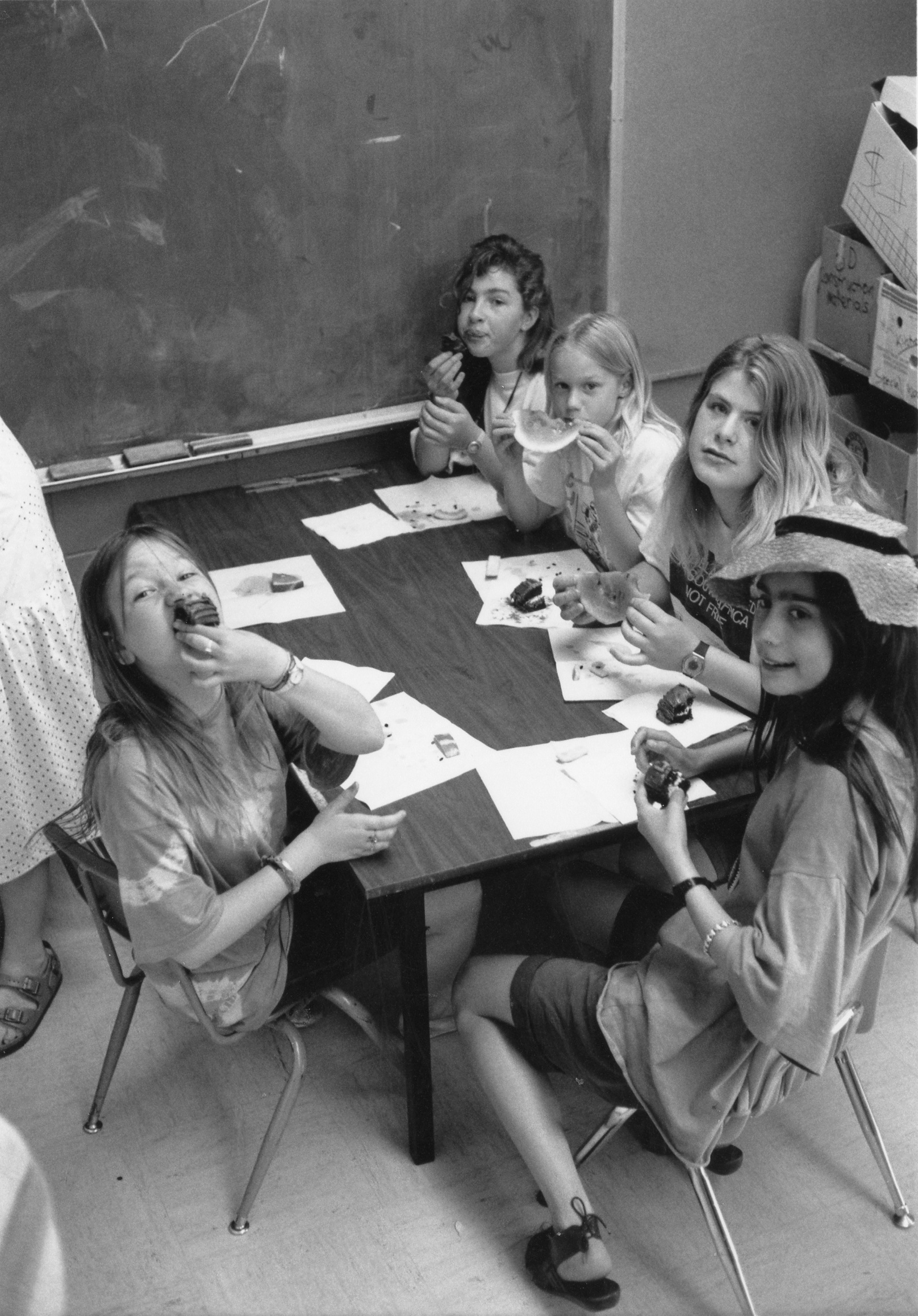
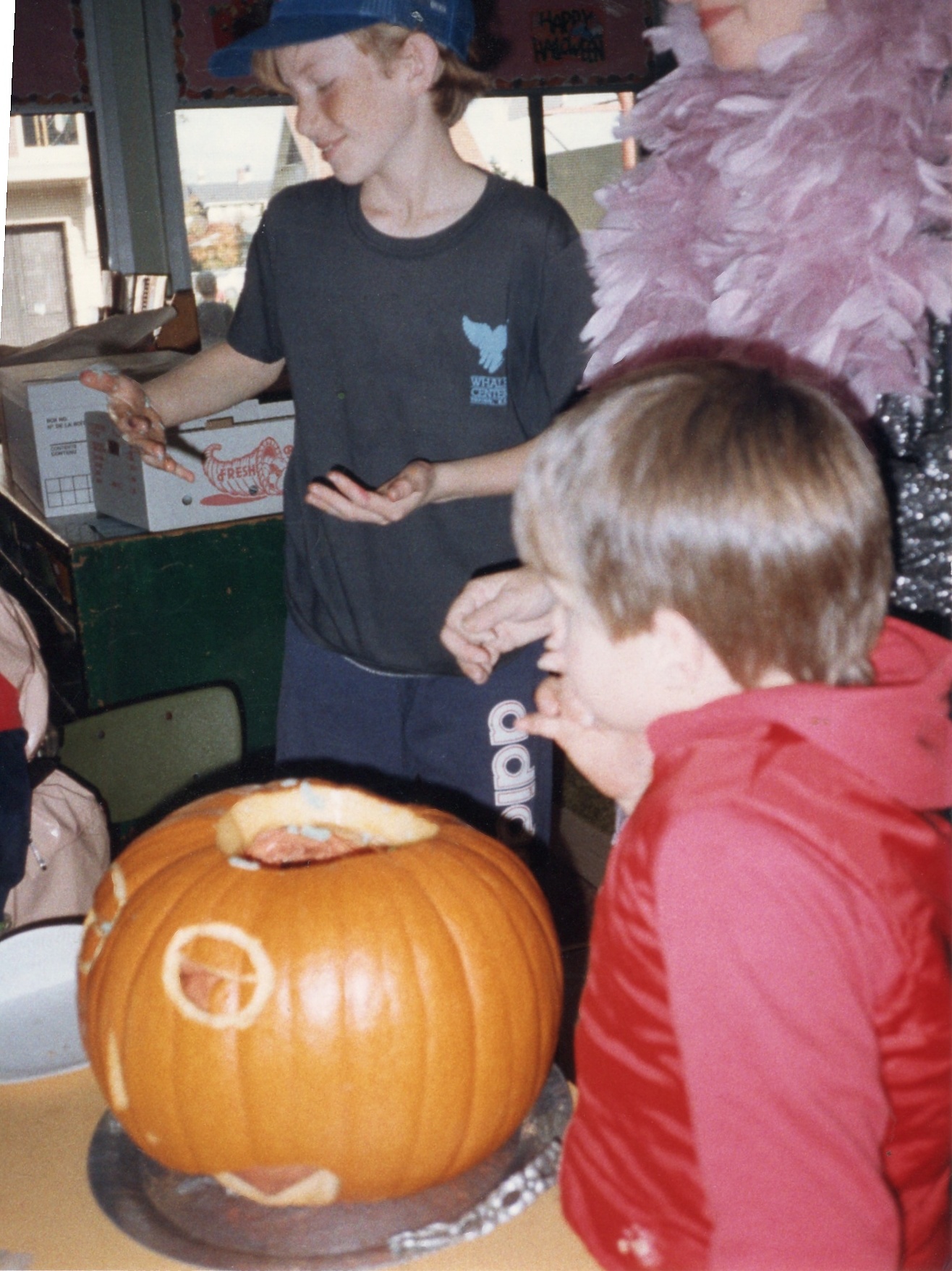
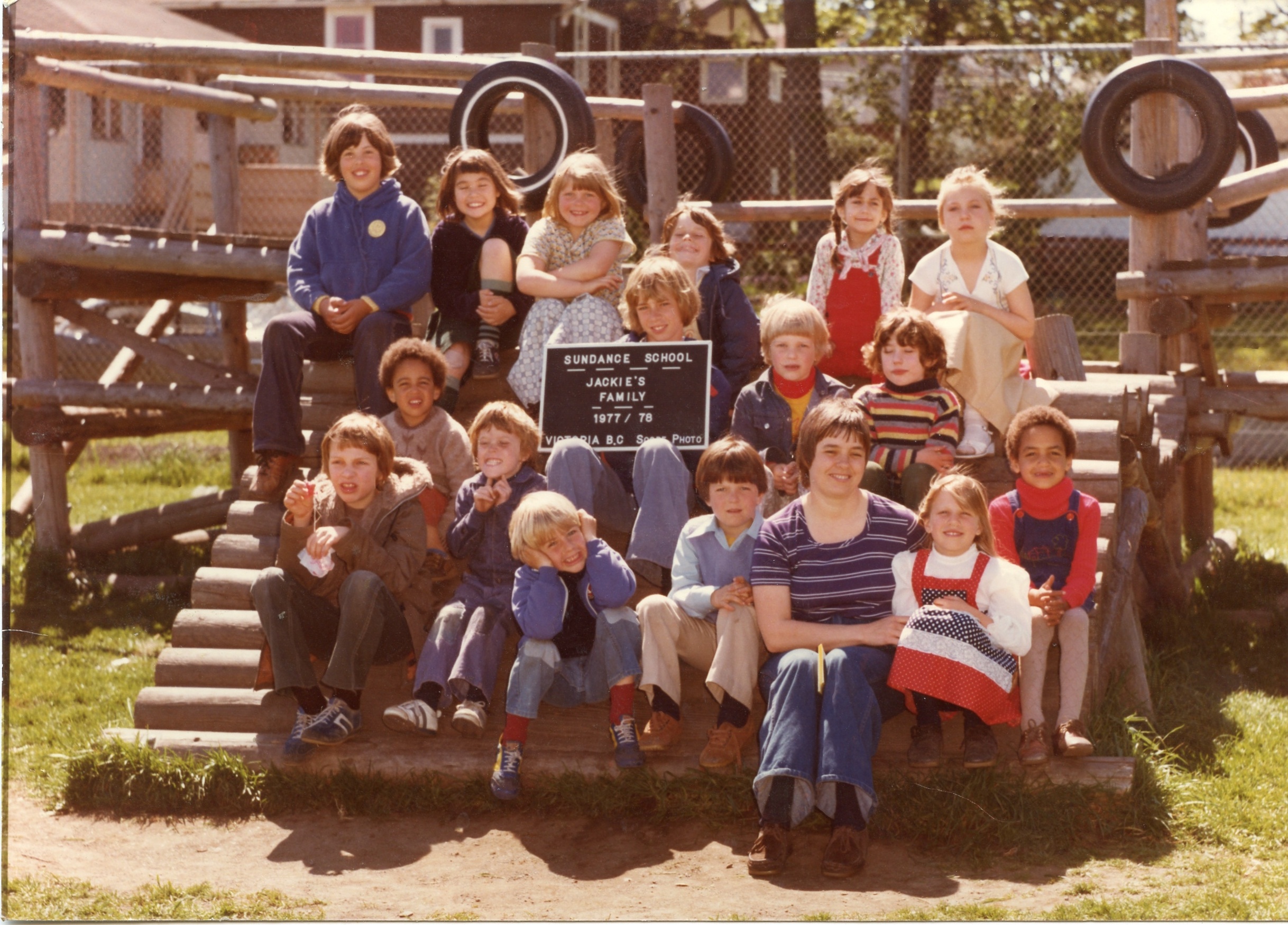
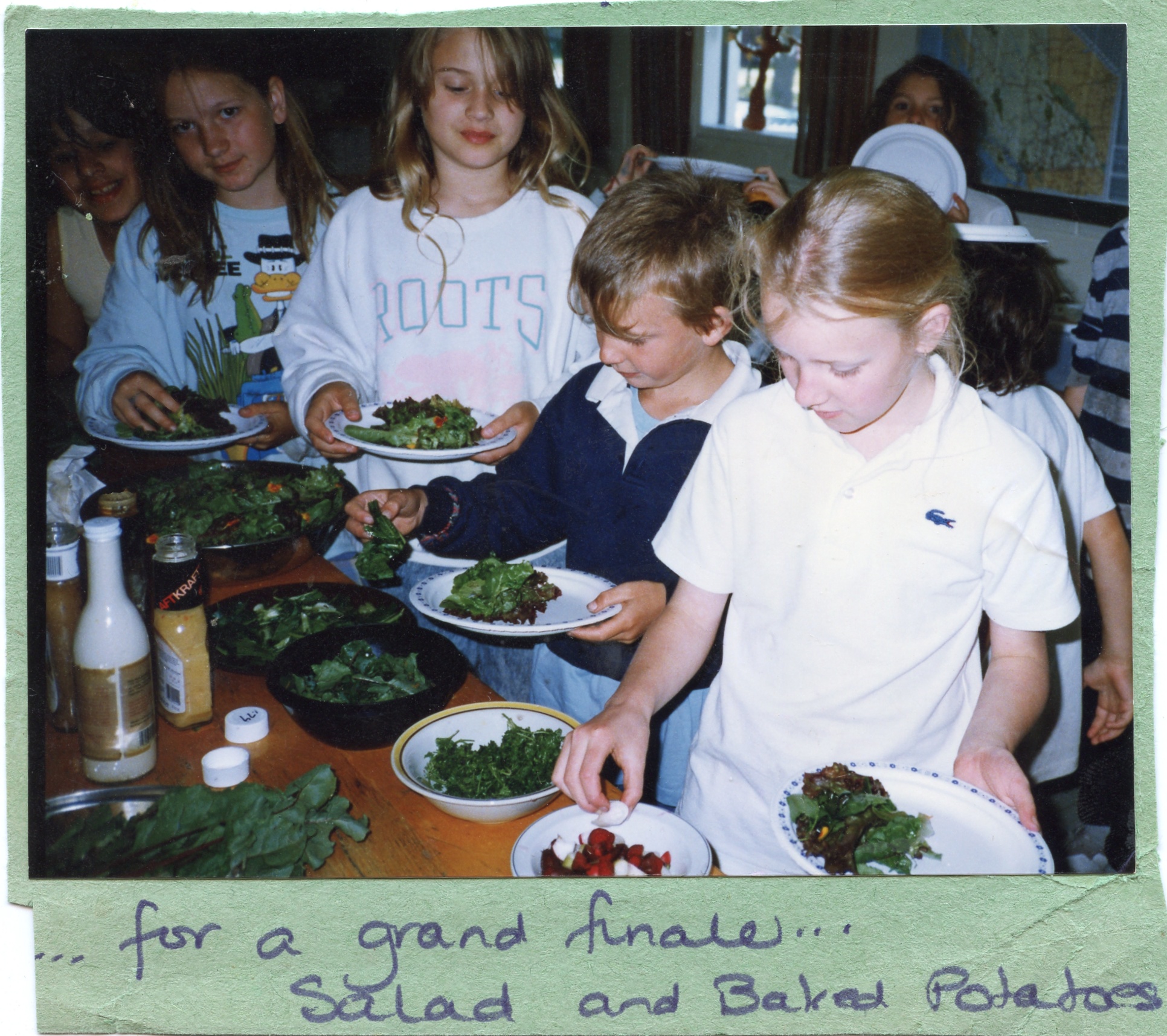
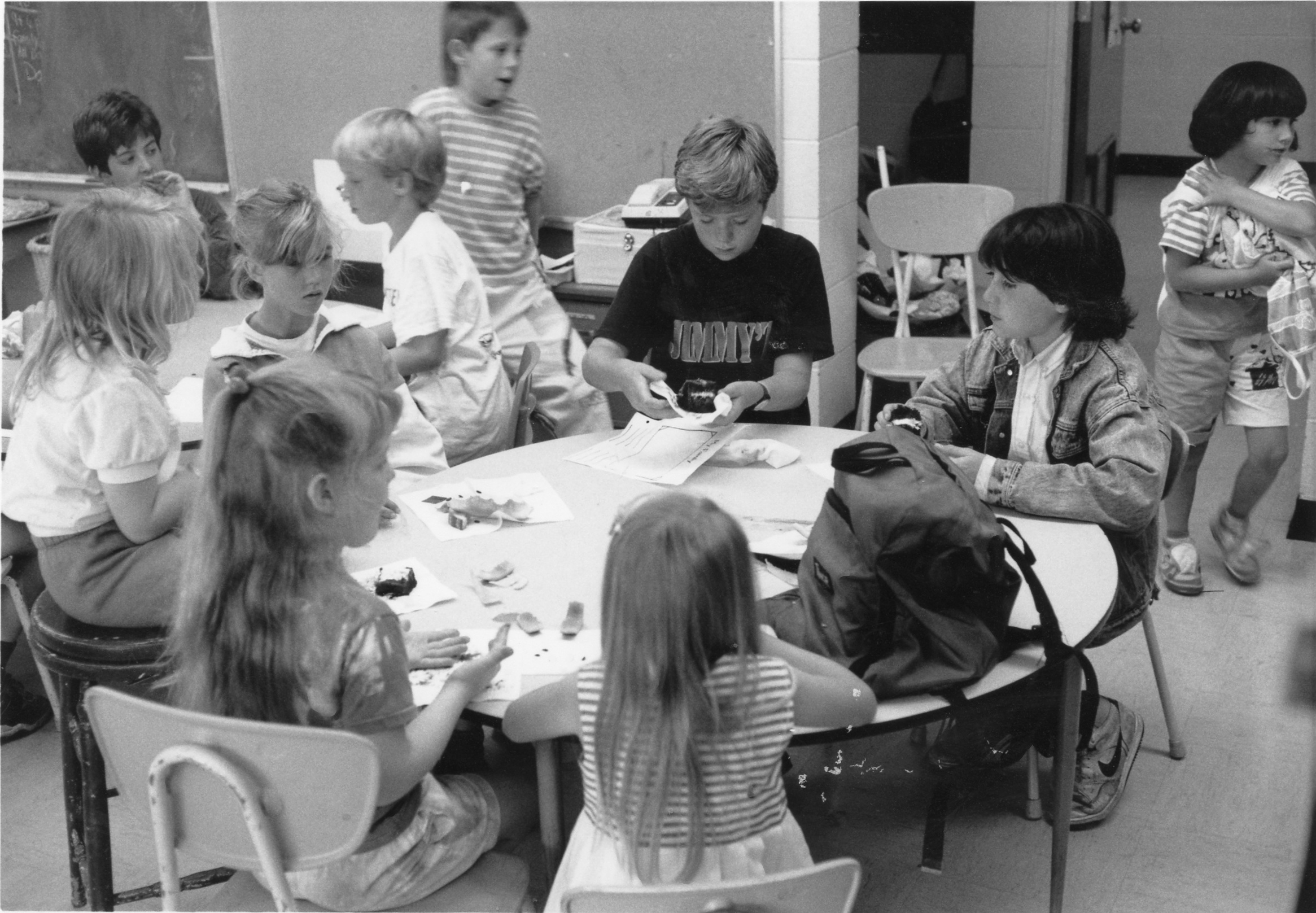
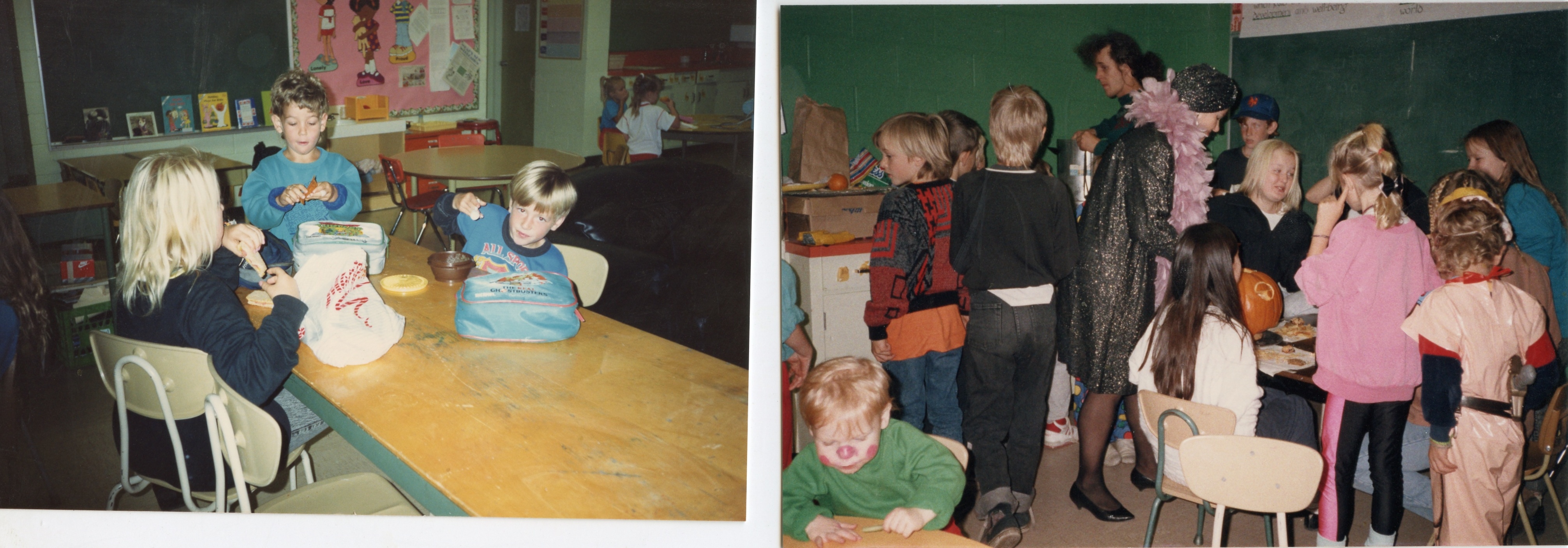
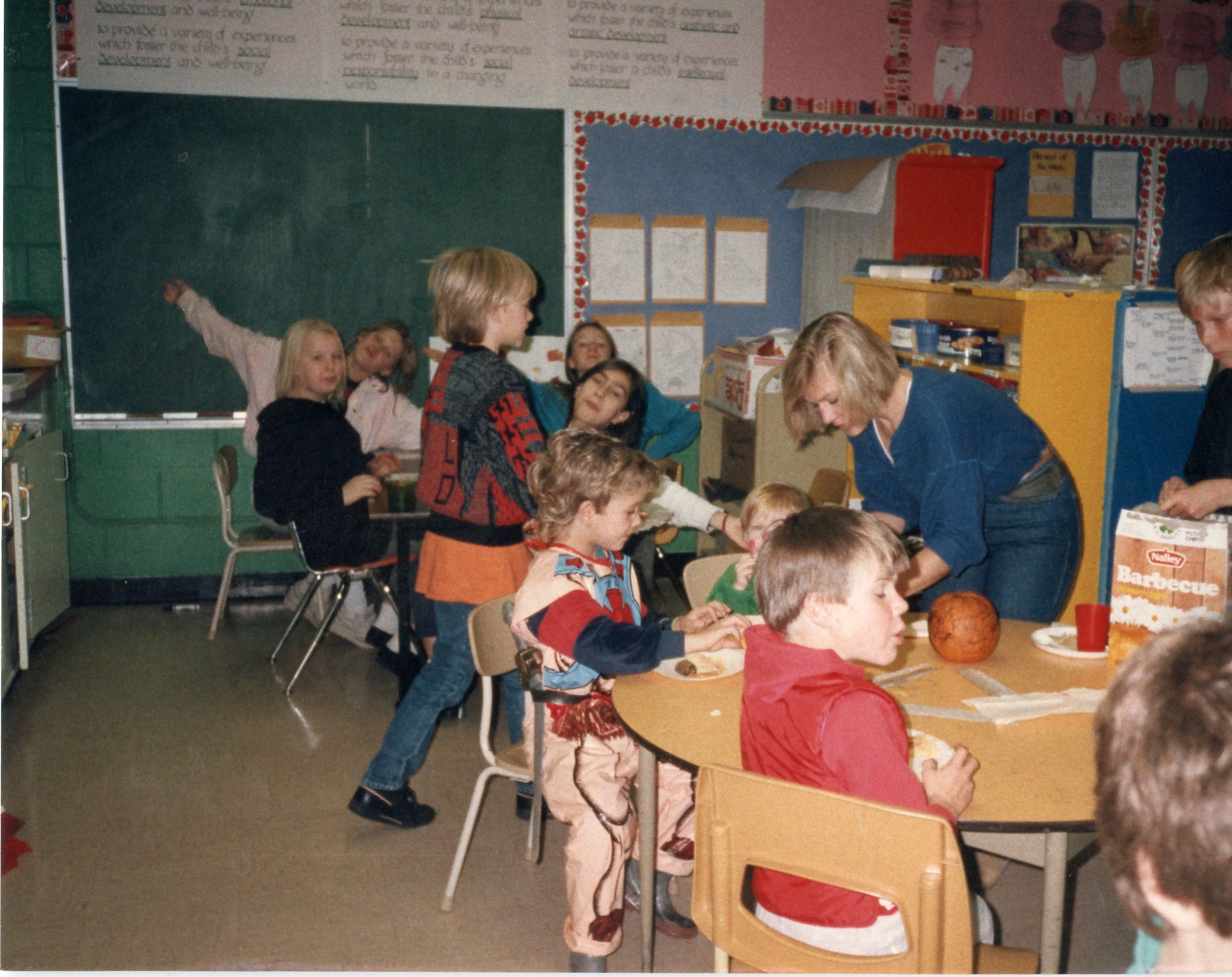
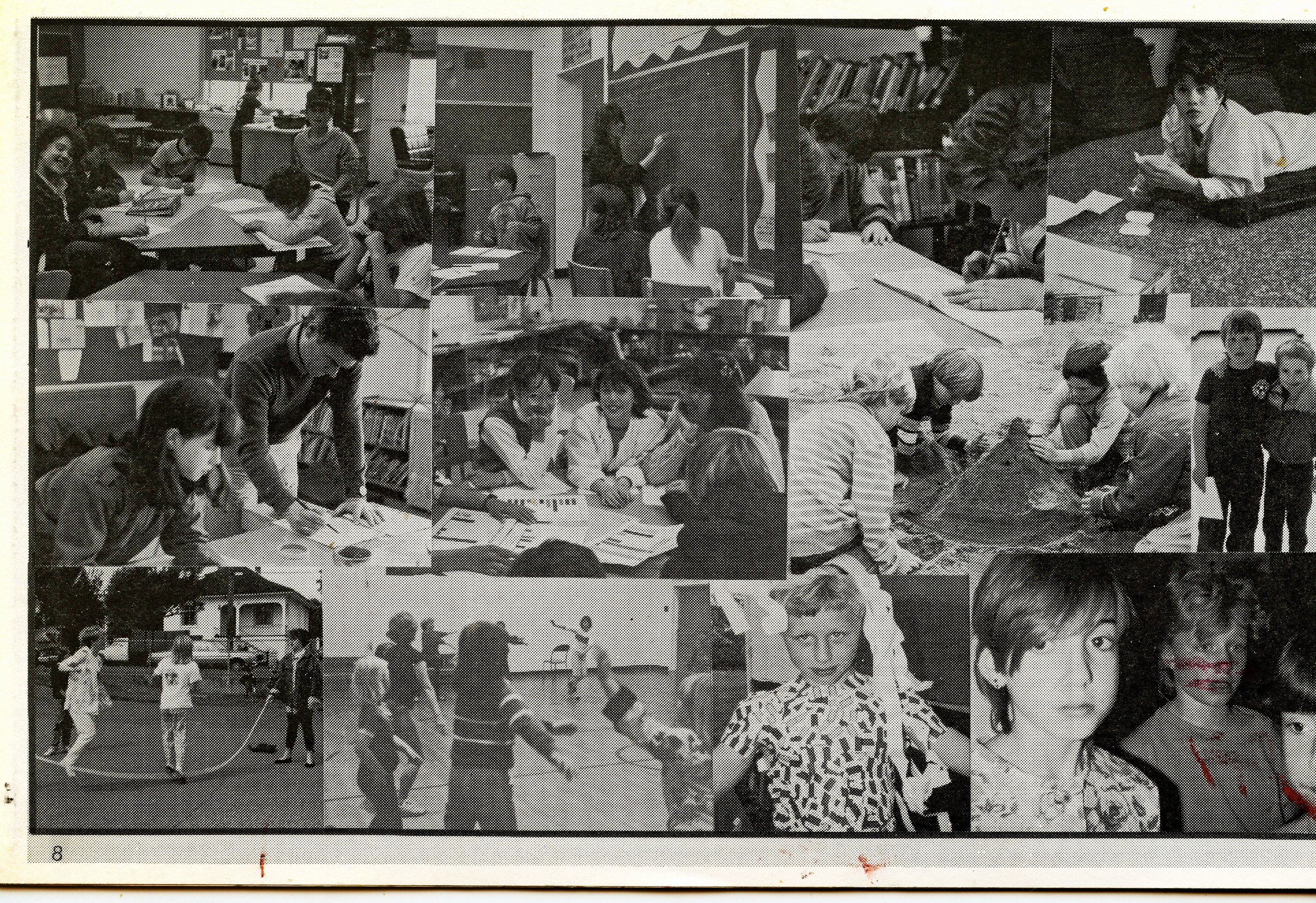
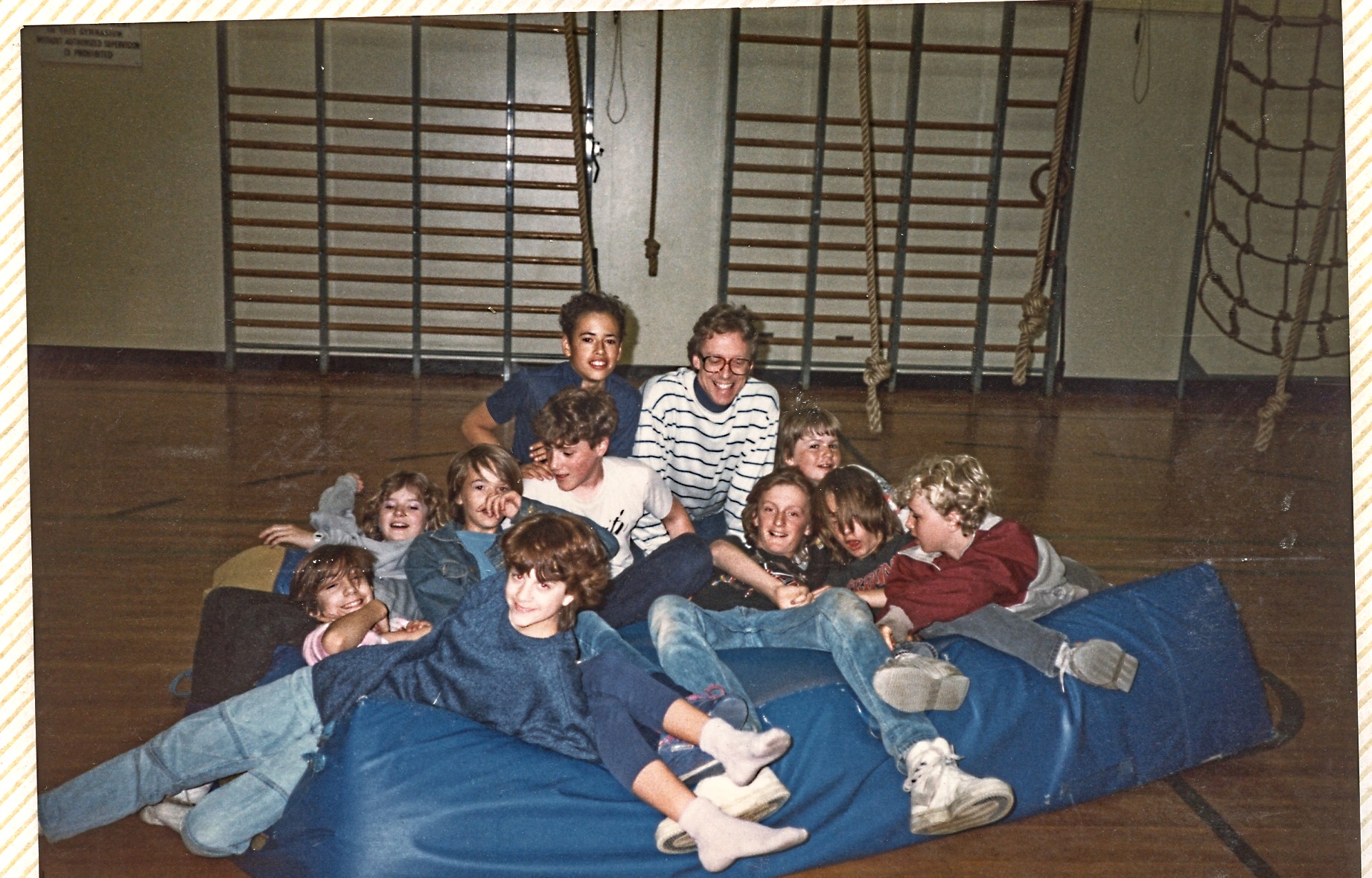
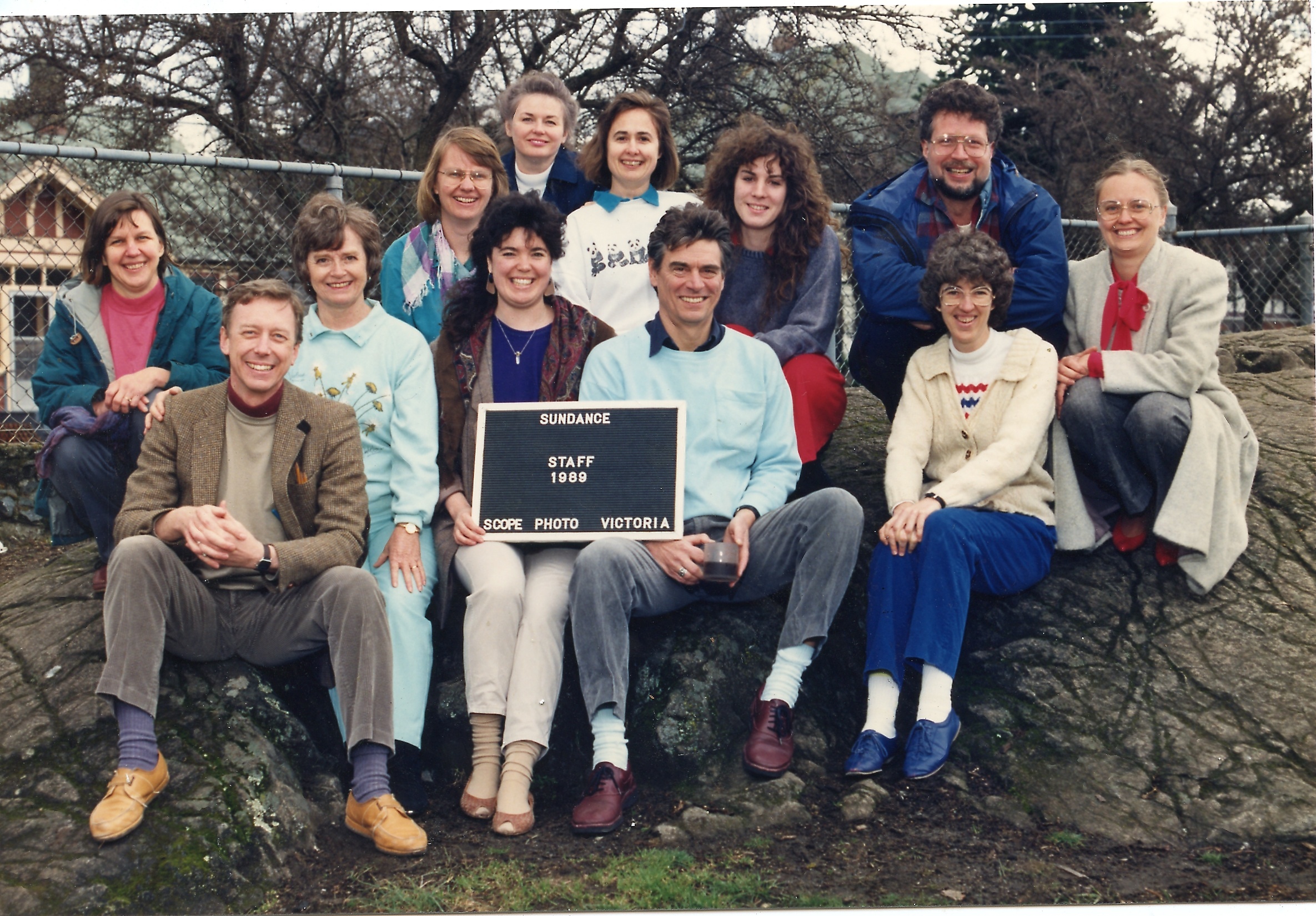
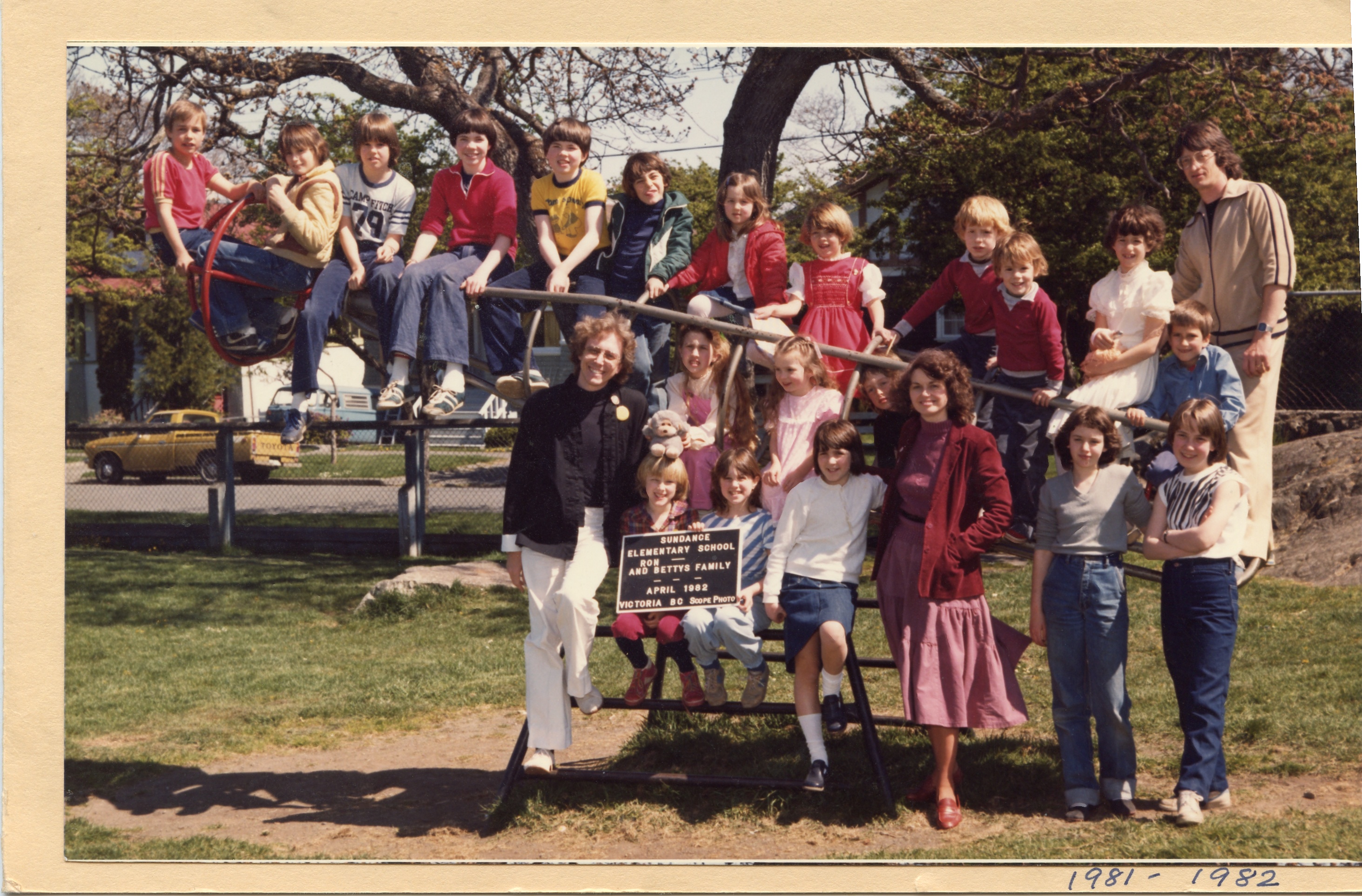
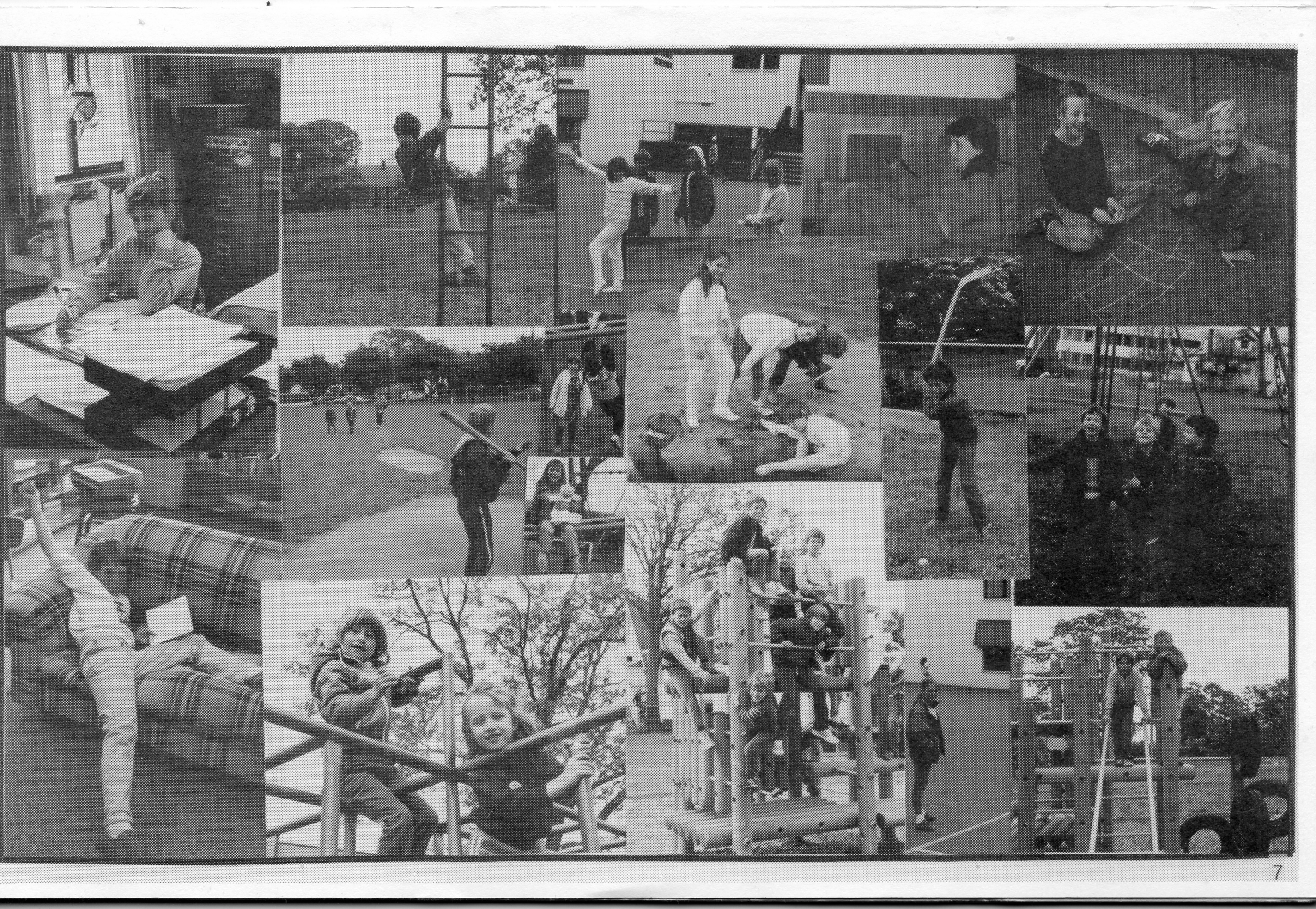
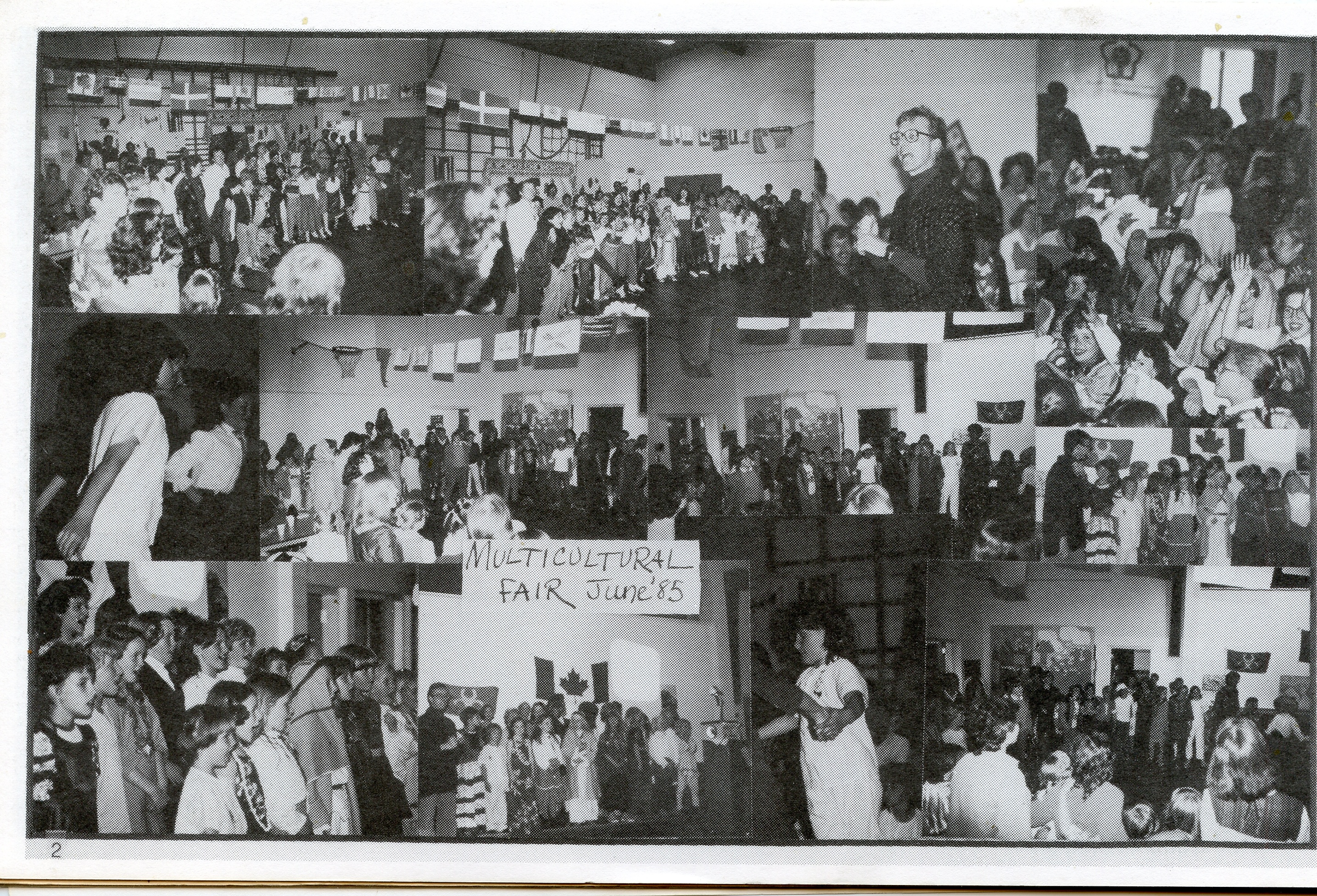
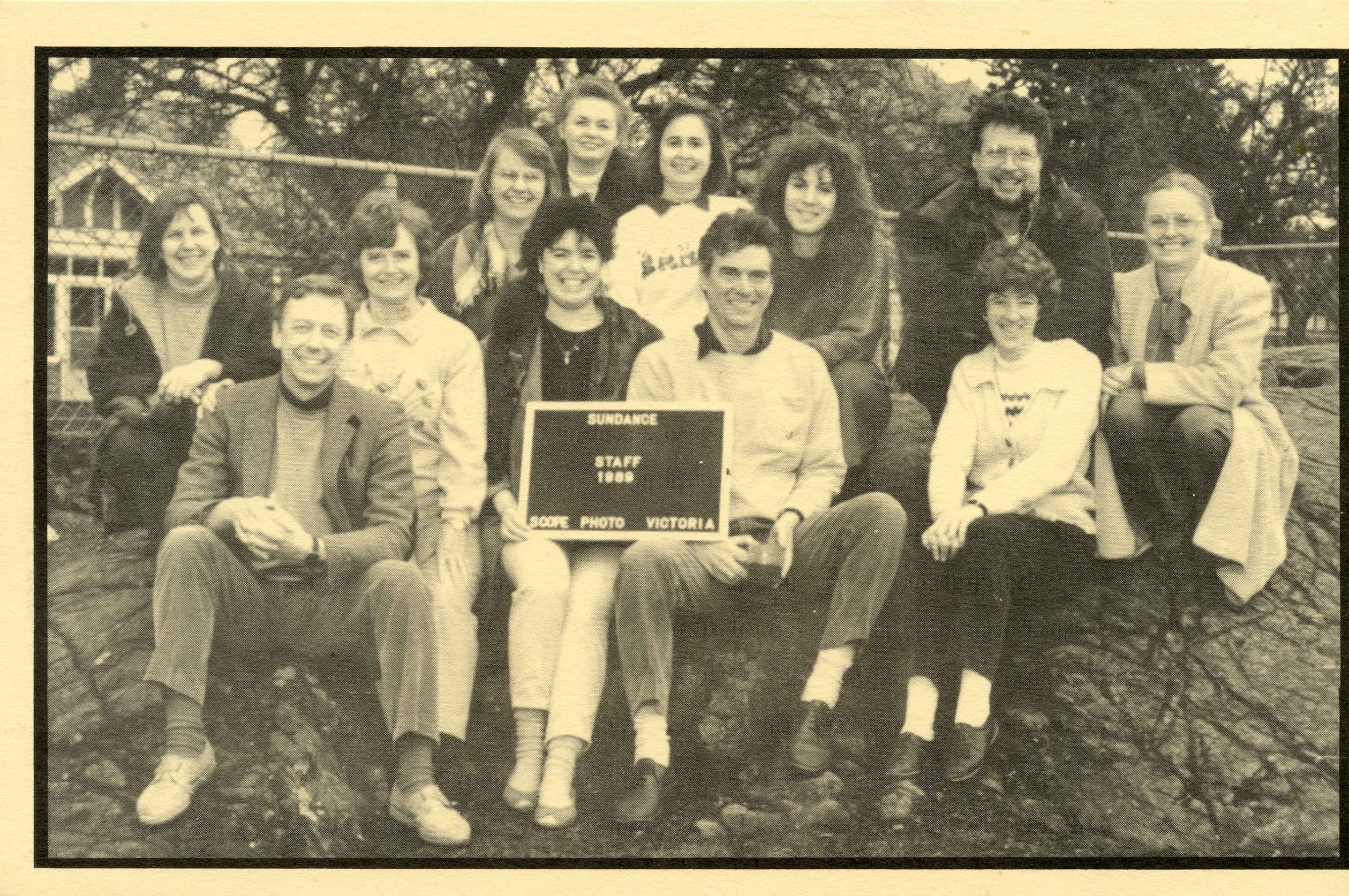
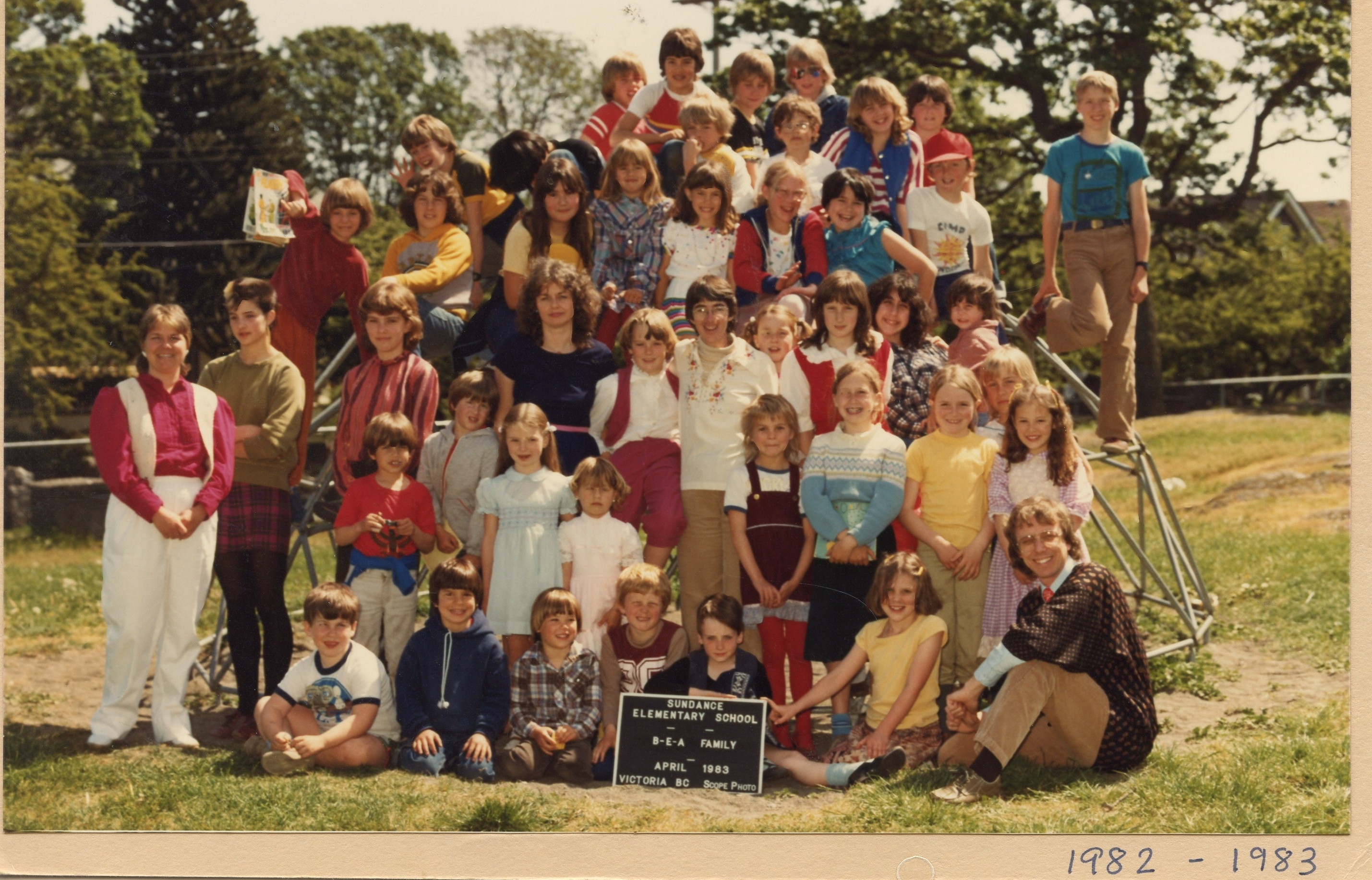
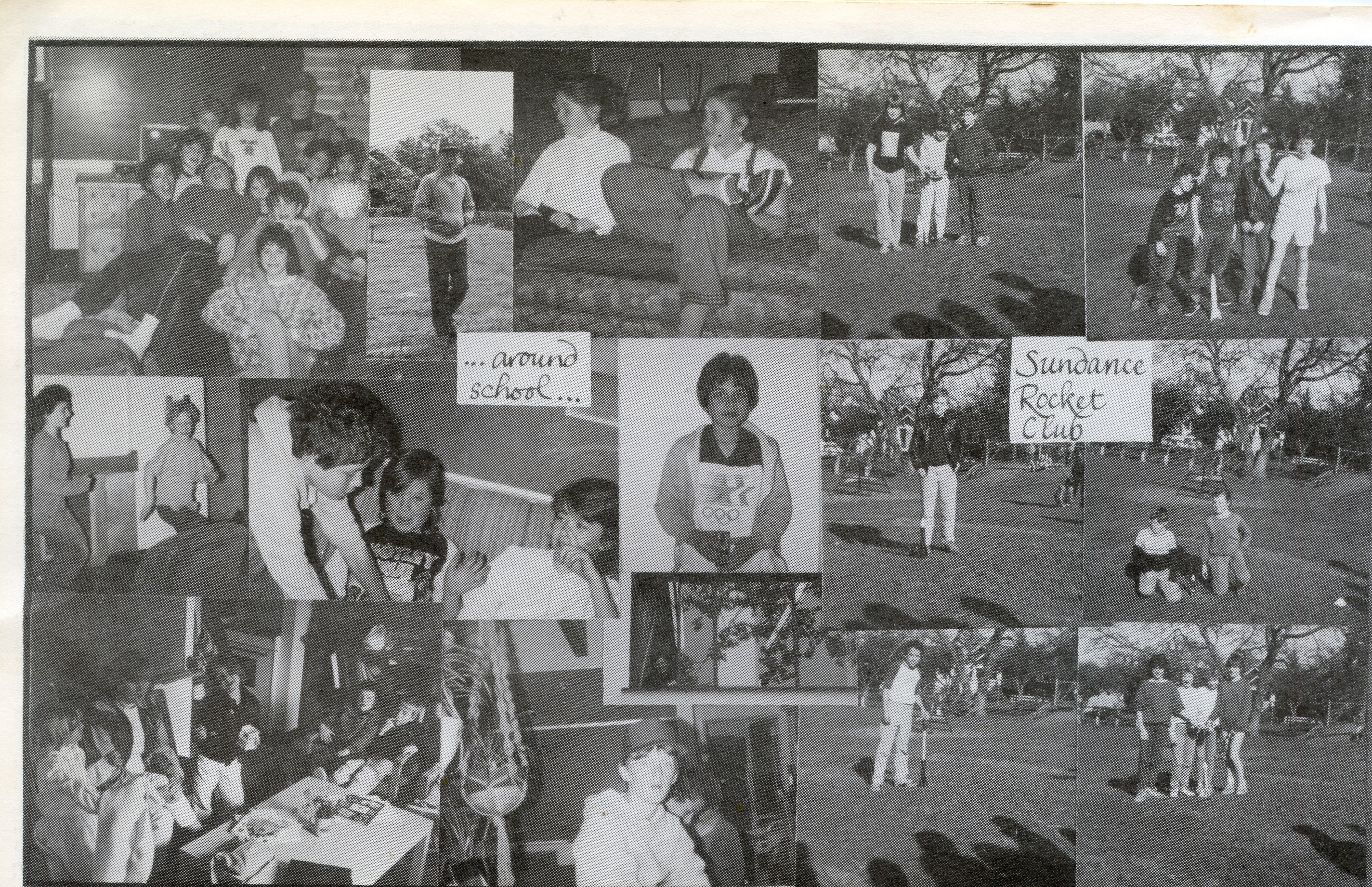
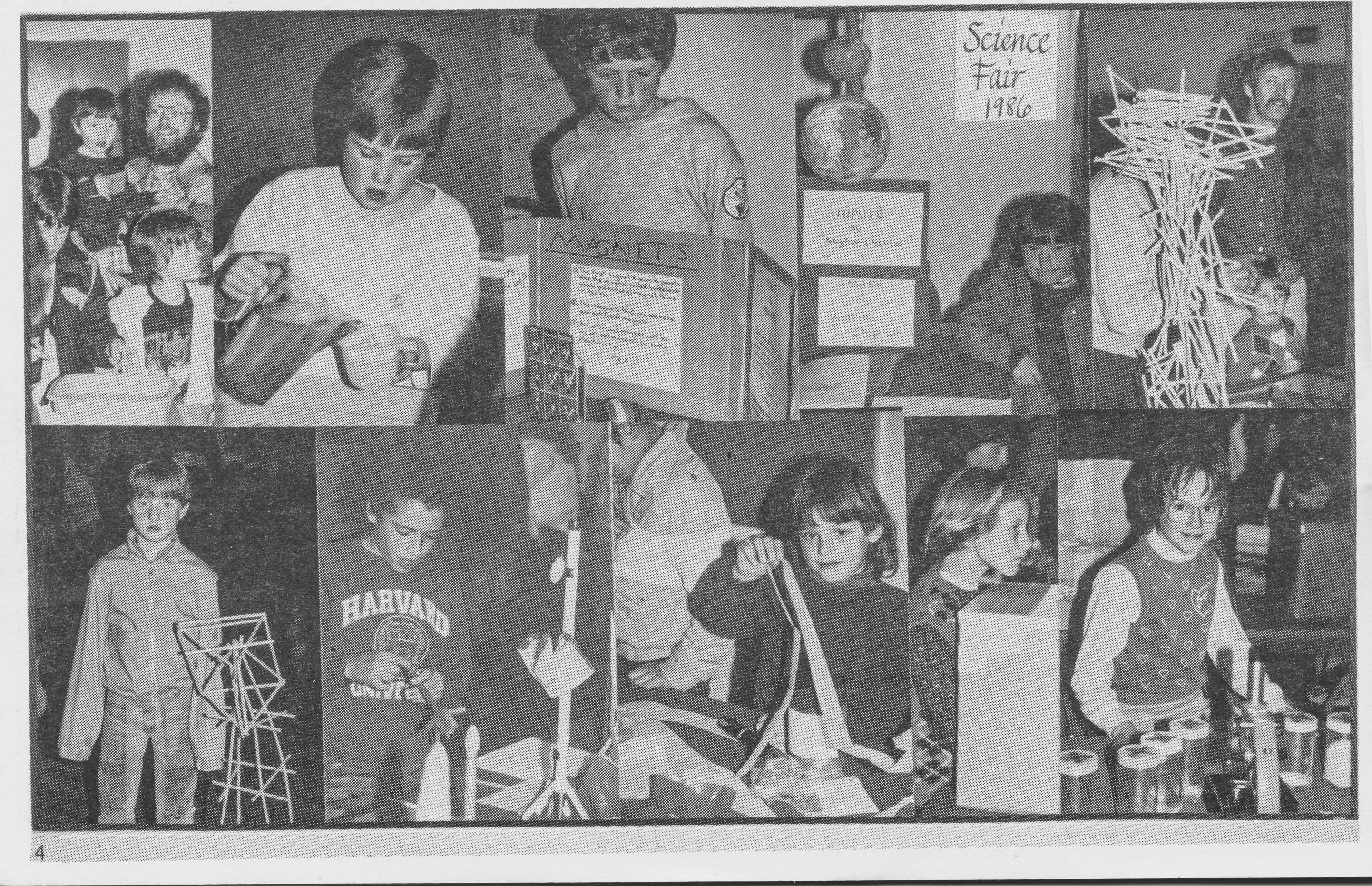
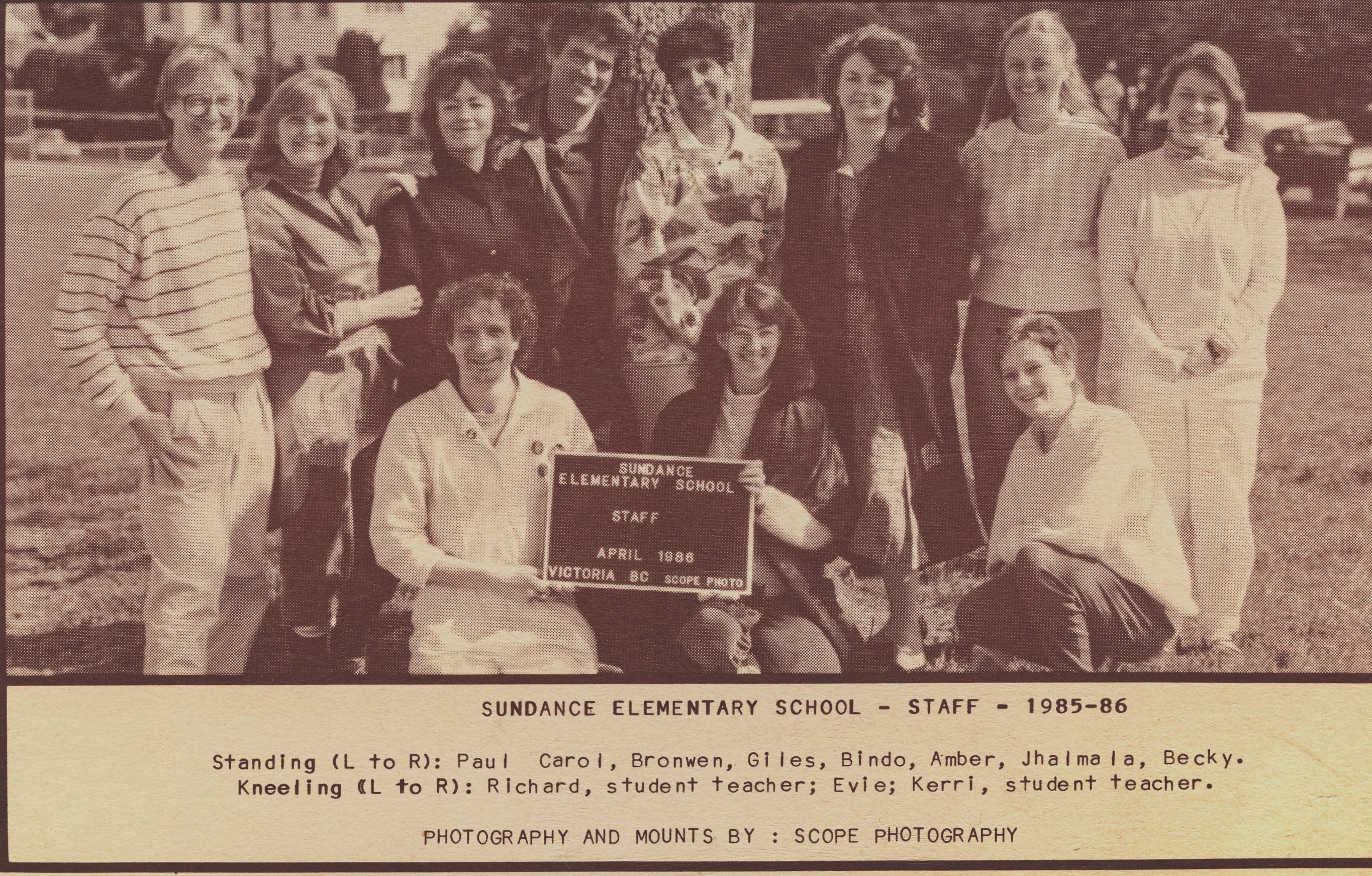
Some Pictures:(click-on to enlarge)
Subcategories
Amber's Blog Article Count: 48
Just for the fun of it
TOPS Articles Article Count: 62
Sundance Article Count: 3
all things sundance
- old sites
- scans
- letters
- photos